
How To Negotiate Industrial Lease Agreements
September 11, 2026
The monthly rent may be the first number that catches your eye, but it’s only one part of an industrial lease. Terms covering repairs, improvements, and future flexibility can affect what occupying the property looks like over several years. Negotiating industrial lease agreements gives tenants a chance to address these details before committing to the space. Use these guidelines to identify priorities, ask useful questions, and evaluate the final terms.
Understand Your Negotiating Leverage
Before lease discussions move too far, decide which terms matter most to your business. Budget limits, operational requirements, and possible changes in space needs can all influence where you may want to negotiate and where you have room to compromise.
It’s also useful to understand the surrounding market before responding to a landlord’s proposal. Your leverage may be more limited when demand is high, vacancy is low, or several tenants are competing for similar space. A landlord may also have less reason to adjust terms if the property already meets strong market demand or the requested changes create added cost or risk.
Negotiate the Full Occupancy Cost
Base rent is only one part of what you may pay to occupy an industrial property. Depending on the lease structure, you could also be responsible for taxes, insurance, utilities, maintenance, or other operating expenses. Looking at these costs together gives you a more realistic view of what the lease may require in terms of finances. Reviewing industrial spaces for lease can provide added context for how different properties compare.
Costs worth discussing or clarifying may include:
- base rental rate
- annual rent increases
- common area expenses
- property taxes
- building insurance charges
- utility responsibilities
- maintenance expenses
- administrative or management fees
Look Closely at Rent Increases
Many leases include scheduled increases that raise occupancy costs over time. When negotiating industrial lease agreements, review how often those increases occur, how they’re calculated, and whether other charges may rise at the same time.
Looking at the projected cost over the full lease term can be more useful than focusing only on the starting rental rate. If the escalation schedule creates concerns, it may be worth discussing before the agreement is finalized.
Discuss Tenant Improvement Terms
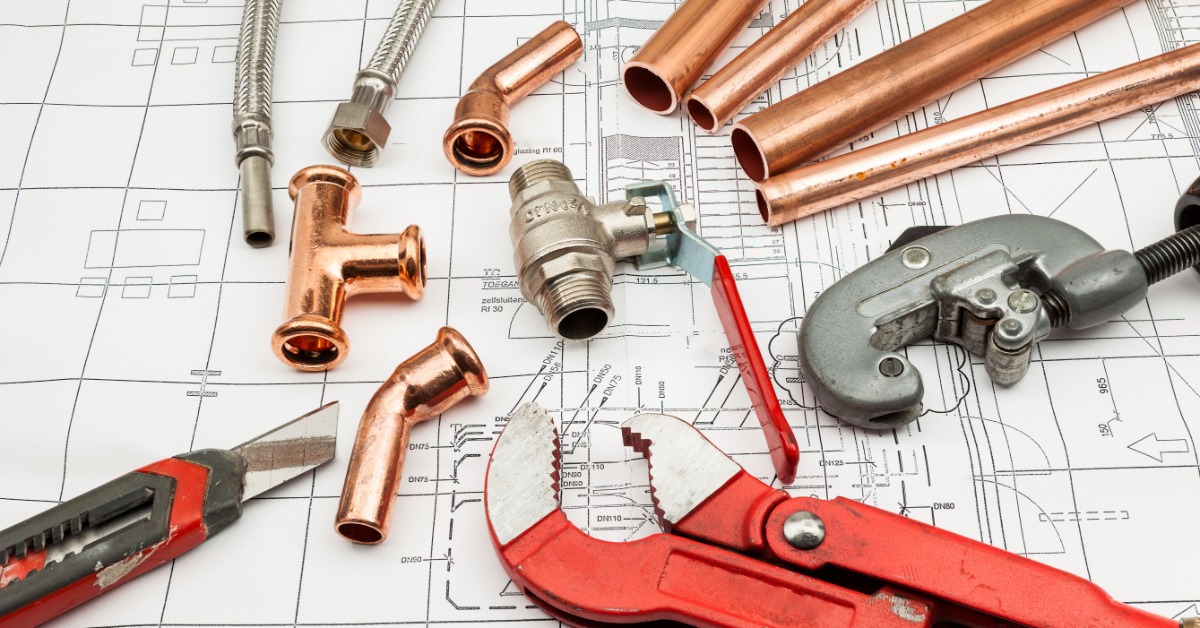
Even a well-located industrial property may need changes before it works for your operation. Those improvements could include office build-outs, electrical upgrades, lighting, dock equipment, flooring, walls, or other modifications. The lease should also explain any approval requirements and how improvements will be managed before occupancy.
Other tenant improvement terms to discuss may include:
- deadlines for completing the work
- what happens if construction is delayed
- whether permits are required
- how change orders will be approved
- whether unused allowance funds can be applied elsewhere
- who owns installed improvements after the lease ends
- whether the space must be restored at move-out
Clarify Maintenance and Repair Duties
Industrial properties have building systems and exterior features that can create substantial repair costs. Your lease should clearly separate the tenant’s responsibilities from those of the landlord. That distinction can reduce uncertainty when maintenance is needed and make future expenses easier to anticipate.
Don’t assume a repair is the landlord’s responsibility simply because the landlord owns the building. Look for specific language covering routine maintenance, major repairs, replacements, and related expenses.
Evaluate Major Building Systems
Pay particular attention to systems that may be expensive to repair or replace. HVAC equipment, roofing, plumbing, electrical systems, and structural components may all be handled differently under the lease. Determine whether your responsibility is limited to routine maintenance or extends to major repairs and replacement. Clear terms can make it easier to plan for costs that may arise during the lease.
Discuss Lease Length and Flexibility

A longer lease can provide more certainty about where your business will operate. A shorter commitment may leave more room to adjust later. The better fit depends on your operational plans, budget, and expectations for the space. Negotiations can also cover options that provide flexibility if those needs change.
These provisions can give your business more flexibility during the lease term:
- A lease renewal option offers the right to extend the agreement beyond the initial term.
- Expansion rights allow you to add more space if your business needs change.
- Contraction options provide a way to reduce the amount of space you occupy under certain conditions.
- Assignment rights let you transfer the lease to another business, subject to the agreement’s requirements.
- Subleasing provisions allow you to rent part or all of the space to another tenant.
- Early termination rights provide a way to end the lease before its scheduled expiration under specific terms.
- Rights to adjacent space give you priority if nearby space becomes available.
- Notice periods establish how far in advance you must act to use renewal, expansion, termination, or other lease options.
Consider Concessions Beyond Rent
The stated rental rate isn’t always the only area open for discussion. If a landlord has limited flexibility on rent, there may still be room to negotiate free-rent periods, delayed rent commencement, improvement contributions, or moving allowances. These concessions should be evaluated as part of the overall lease rather than as isolated benefits.
Timing can affect their value as well. A rent-free period, for example, may be especially useful while equipment is being moved or the space is being prepared for operations.
Review the Final Lease Language
Negotiations aren’t finished just because both parties have agreed on the main points. The final written lease should accurately reflect the terms discussed throughout the process. Review the document carefully rather than assuming that earlier emails, proposals, or conversations automatically become part of the agreement.
Compare the final language with the terms you negotiated, especially those involving costs, dates, responsibilities, concessions, and future options. Provisions that changed during negotiations deserve an extra look. Depending on the transaction and your circumstances, a legal or real estate professional may also be useful during the final review.
A productive lease negotiation looks beyond securing a lower rental rate. Costs, improvements, maintenance obligations, flexibility, and written protections can all affect how well the agreement works for your operation. Reviewing those terms together gives you a clearer picture of the commitment you’re making. Careful negotiation and final review can lead to a lease that better supports your business.