
Why Class B Industrial Assets Attract Users
September 4, 2026
A newer industrial building may offer modern systems and updated features, but newer doesn’t always mean better for every investment strategy. Class B industrial properties are typically established, functional buildings that may be older or have fewer modern features than Class A facilities, yet still serve the practical needs of industrial tenants. Several factors explain why Class B industrial assets attract investors, including purchase price, tenant demand, location, and opportunities to improve performance. Looking at these factors together can make it easier to understand where Class B properties may fit within an industrial real estate portfolio.
Lower Acquisition Costs
Class B properties may sell for less than newer Class A buildings in the same market. That price difference can give investors access to functional industrial real estate without paying the premium that often accompanies newly constructed facilities. Still, the purchase price needs to be weighed against the property’s condition, occupancy, location, and anticipated capital needs.
A lower acquisition cost may also leave more flexibility for renovations, tenant improvements, or other upgrades after closing. However, a building that needs substantial work can quickly require additional capital. Reviewing those needs early gives investors a clearer picture of the property’s true cost.
Strong Demand From Industrial Tenants
Industrial tenants don’t always need the newest property on the market. Many are more concerned with whether a building offers usable warehouse space, dependable loading access, and a layout that supports daily operations. That focus on practical functionality is one reason Class B industrial assets attract investors, as long as the properties continue to meet tenant needs.
Class B buildings can serve businesses across several industrial sectors. Because different users may value similar functional features, a well-configured property may appeal to a broader group of tenants.
Common users of Class B industrial space may include:
- warehouse and distribution companies
- manufacturing operations
- logistics businesses
- service and trade companies
- regional or local warehouse users
Established Locations Can Add Value
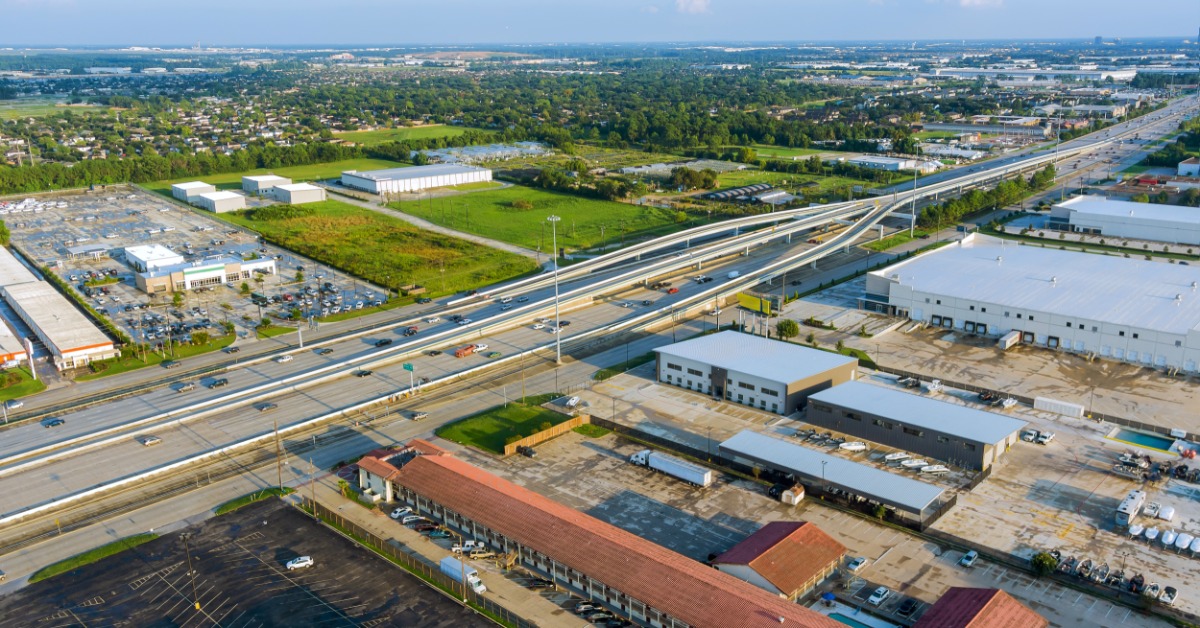
Many Class B properties are located in industrial districts that have been active for years. These areas may already have established road networks, utility infrastructure, and access to nearby labor or commercial activity. For an investor, those location advantages can be just as relevant as the building’s age.
An older property in a convenient industrial corridor may compete effectively with newer space located farther from major transportation routes or customer bases. Location can also influence delivery times and employee commutes. In addition, practical truck access may make a property easier for tenants to operate day-to-day.
Value-Add Potential
Some Class B properties give investors opportunities to improve physical conditions, leasing performance, or both after acquisition. The most effective strategy depends on what limits the property today and what tenants in the market need. Rather than upgrading for the sake of modernization, investors can focus on improvements that make the building more functional or competitive.
Potential value-add projects may include:
- roof or HVAC repairs
- updated lighting systems
- dock or drive-in door additions
- renovated office areas
- parking or yard improvements
- repairs to aging building systems
Leasing Strategies May Increase Income
Not every value-add opportunity requires major construction. Investors can also review existing rents, lease expirations, vacancies, and tenant responsibilities to see where property performance could change over time. Those factors are often evaluated during commercial real estate acquisitions because existing leases influence both current income and future flexibility. Any leasing strategy should reflect market conditions and tenant demand rather than assuming rent or occupancy can automatically increase.
Flexible Buildings Serve Multiple Users

A flexible industrial layout can make it easier for a property to serve different tenants as occupancy changes. Open warehouse areas, adaptable office space, and multiple loading points can all expand the range of operations a building can support. Investors may benefit from considering how well the property would function if the current tenant were to move out.
Flexibility can also reduce the amount of work required between leases. A highly specialized property may perform well for one user but require expensive changes before another tenant can move in. By comparison, a broadly functional layout may give an owner more options when marketing the space.
Income Potential Can Support Returns
A Class B industrial property’s returns depend on both the income it produces and the costs required to own and maintain it. Investors look at rental income, occupancy, operating expenses, and future capital needs together. Reviewing these factors as a group gives a clearer picture of the property’s financial potential.
Rental Income Affects Performance
Rental income is one of the main sources of return for an industrial property. Investors review current rents, lease terms, and scheduled increases to understand how much income the property may generate over time. They may also compare existing rents with market rates to see whether there is room for future growth.
Occupancy Influences Cash Flow
Vacancy can reduce income while the owner continues paying property-related expenses. Investors often review current occupancy, lease expiration dates, and tenant demand in the surrounding market. A property with reliable tenants and limited vacancy may provide more consistent cash flow. High turnover or prolonged vacancies can make returns less predictable.
Condition Shapes Investment Potential
Class B is a broad category, so two properties with the same classification can present very different investment opportunities. One may be well maintained and fully leased, while another may require significant repairs or face ongoing vacancy. For that reason, investors should evaluate the specific building rather than relying too heavily on the class designation.
Physical due diligence can identify repairs or upgrades that may require capital after closing. Lease reviews and market analysis can then provide additional context around income, tenant stability, and future leasing potential. Together, these steps can show whether the asking price reflects the property’s current condition and foreseeable needs.
Class B industrial properties can offer a combination of functional space, established locations, flexible layouts, and targeted value-add opportunities. Those qualities may make them attractive investments when the acquisition price and property fundamentals align with market conditions. Even so, a detailed evaluation can show whether the property’s potential is supported by the underlying real estate.