
What Tenants Should Know About Warehouse Leasing
August 18, 2026

The right warehouse needs to support much more than inventory storage. Lease terms, access, utilities, and ongoing expenses can all affect how well the property works for your business. Warehouse leasing requires a close look at both the property and the agreement behind it. Here are the details tenants should know before committing to a lease.
Total Occupancy Costs Extend Beyond Rent
Base rent is only one part of the total cost of occupying a warehouse. Tenants should review recurring expenses, one-time fees, and costs that may change over time. Request a detailed breakdown before signing to prevent unexpected charges after the lease begins.
Possible warehouse occupancy costs include:
- electricity, gas, water, and internet service
- property taxes or tax reimbursements
- building and liability insurance
- common area maintenance charges
- interior repairs and routine maintenance
- security deposits and administrative fees
- waste removal, landscaping, and snow removal
Lease Structure Determines Tenant Responsibilities

The lease structure determines which property costs are included in rent and which ones the tenant pays separately. Before comparing warehouse rates, review how the agreement assigns expenses such as taxes, insurance, maintenance, and repairs.
Gross Lease
In a gross lease, the tenant pays a set rental amount, and the landlord covers many of the property’s operating expenses. These expenses may include property taxes, building insurance, and some maintenance costs. The arrangement can make monthly costs easier to estimate because fewer charges are billed separately. However, tenants should still review the lease carefully to confirm exactly what the rent includes.
Net Lease
In a net lease, the tenant pays a lower base rent plus a prorated share of specific property expenses. These costs may include property taxes, building insurance, maintenance, or a combination of the three. The total amount can vary depending on the lease terms and the tenant’s share of the property. Review each added expense to understand the full cost before comparing warehouse options.
Modified Gross Lease
A modified gross lease combines elements of gross and net lease structures. The landlord and tenant divide operating expenses according to terms outlined in the agreement. For example, the landlord may cover property taxes while the tenant pays utilities and interior maintenance. Because these leases vary, tenants should confirm each responsibility before signing.
Location Should Work for the Term
A warehouse lease may keep your business in one location for several years, so the area should support both current and future operations. Before signing, consider whether the site will remain practical for deliveries, employees, customers, and daily travel. Businesses comparing warehouse space for lease in Cleveland, Ohio can review Weston properties based on location, access, and operational fit.
To evaluate a property’s location, you can:
- Consider how quickly trucks can reach major highways and primary shipping routes.
- Check whether local roads allow the types and sizes of trucks your business uses.
- Review the distance to customers, suppliers, and key distribution areas.
- Think about whether employees can reach the property without difficult or lengthy commutes.
- Observe traffic patterns during the hours when deliveries and shift changes typically occur.
- Consider whether seasonal conditions could disrupt access.
- Look for nearby fuel stations, repair services, restaurants, and other resources your operation may need.
Review the Layout and Alteration Rules
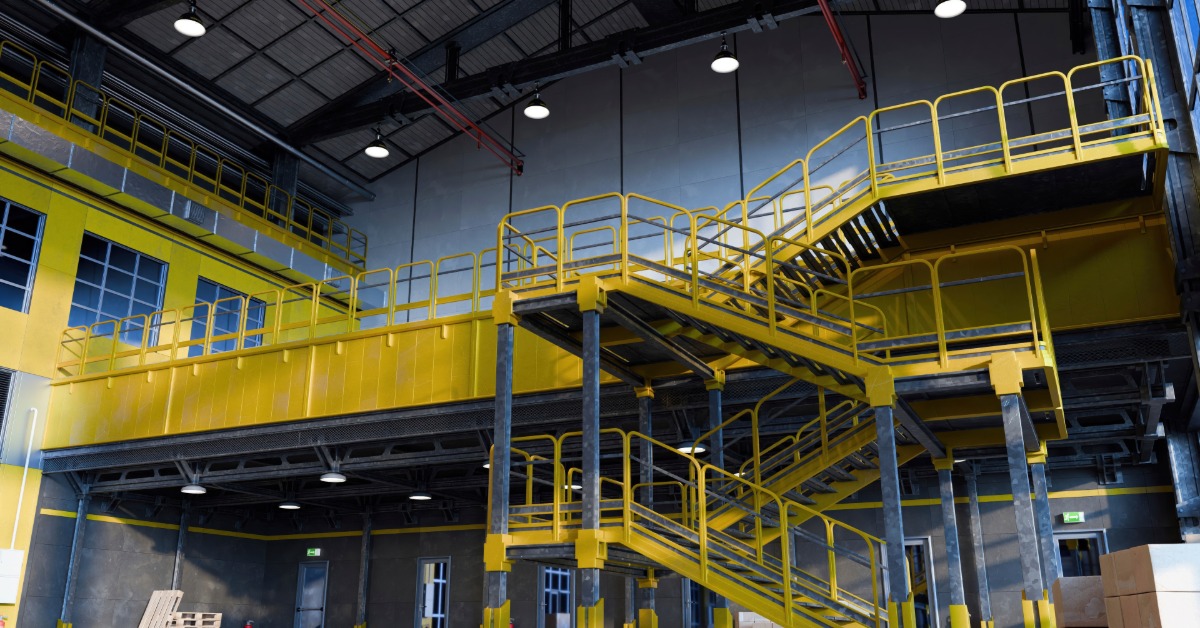
A warehouse’s square footage may look sufficient even when the existing layout doesn’t fully support the tenant’s operation. Before signing, decide whether the space works as-is or will require physical changes.
Possible alterations may include adding office space, installing racking, upgrading electrical service, creating production areas, or modifying loading access. The lease should explain which improvements require landlord approval and who will pay for the work. If alterations are permitted, the lease will also explain whether the tenant must restore the property at the end of the term.
Lease Restrictions Can Limit Property Use
Warehouse leases often include provisions that control how the property may be used. A permitted-use clause, for example, may restrict certain activities, materials, equipment, or business operations. Make sure the language accommodates both your current needs and reasonable changes you may make during the lease term.
Additional provisions may address signage, operating hours, parking, exterior storage, alterations, and subleasing. Renewal options and expansion rights can also affect whether the space remains practical over time. A qualified real estate or legal professional can clarify these terms and identify obligations that may not be obvious during an initial review.
Landlord Support Affects the Tenant Experience
The landlord’s responsibilities continue throughout the lease term, not just when the agreement is signed. Before moving in, tenants should understand who manages the property, how maintenance requests are handled, and what response times they can expect. Clear service procedures can make building issues easier to address and reduce uncertainty during day-to-day operations.
Maintenance Responsibilities
The lease should explain which maintenance tasks belong to the landlord and which ones fall to the tenant. Responsibilities may differ for the roof, building systems, interior spaces, parking areas, and shared facilities. Ask how routine maintenance is scheduled and documented. Knowing these details can prevent confusion when repairs are needed.
Emergency Repair Procedures
Tenants should know who to contact when an urgent problem occurs outside regular business hours. The landlord may provide an emergency phone number, an online service system, or a designated property manager. It’s also useful to ask which situations qualify as emergencies and how quickly they’re typically addressed.
Exterior and Shared-Area Care
Landlords often manage exterior areas and shared spaces, but the exact responsibilities should be confirmed in the lease. These services may include snow removal, landscaping, parking lot maintenance, lighting, and upkeep of common areas. Find out how often these tasks are performed and whether the costs are included in rent or billed separately.
Before leasing a warehouse, evaluate the building and the agreement together. Tenants should know how the property and lease terms will support their operations throughout the full rental period. Detailed questions can also uncover restrictions, service responsibilities, or expenses that might otherwise appear after move-in. Contact Weston to discuss the type of warehouse space your business needs. Our team can help you compare available properties and understand the leasing details before you commit.