
Value-Add Strategies in Industrial Property Acquisitions
July 16, 2026
An industrial asset doesn’t have to be perfect to be worth a serious look. A property may have deferred maintenance, a dated layout, or a leasing challenge, but still sit in a market with strong demand and practical long-term potential. In industrial property acquisitions, buyers use value-add strategies to improve the building’s performance after purchase. These plans may involve repairs, leasing changes, layout updates, or stronger property management.
Repair Deferred Maintenance
Deferred maintenance can make an industrial property look less appealing at first glance, but it doesn’t always remove the opportunity. Roof issues, worn pavement, older doors, drainage concerns, or tired interior areas may point to work that needs attention after purchase. The key is deciding whether those repairs support a stronger future for the asset.
Repairs can stabilize the building and make it easier to lease, manage, and maintain. A building condition review helps clarify what needs immediate attention and what can wait. The buyer may prioritize addressing the items that affect safety, tenant use, or property reliability. As a result, the value-add plan starts with practical work that supports long-term performance.
Upgrade Building Systems
Building systems affect how well an industrial property works. Older or unreliable systems may create daily issues for tenants, so upgrades can be an important part of the value-add plan.
Electrical Service
Electrical upgrades depend on the building’s future use. A warehouse tenant may need power for lighting, charging equipment, or conveyors. A manufacturer may need heavier service for machinery or production areas. The buyer may review panel capacity, wiring, and power distribution before deciding what to upgrade.
Lighting Systems
Older fixtures may be replaced with brighter, more efficient lighting. Exterior lighting may also need updates near docks, parking areas, entrances, and truck courts. These changes can make the property feel safer and more practical for daily work.
Heating and Ventilation
Heating and ventilation needs depend on tenant use. A storage user may only need basic temperature support. A manufacturer or flex tenant may need better airflow or ventilation in work areas. Updates may include servicing existing units, replacing old equipment, adding warehouse heaters, or improving air movement.
Sprinkler Systems
Sprinkler systems help determine how safely and legally a building can support different tenant uses. If updates are needed, they may include repairs, testing, expanded coverage, or changes tied to a tenant’s operations.
Dock Equipment
Dock equipment affects how products move in and out of the building. Upgrades may include repairing doors, replacing levelers, improving seals, or adding safety equipment.
Improve Loading Access
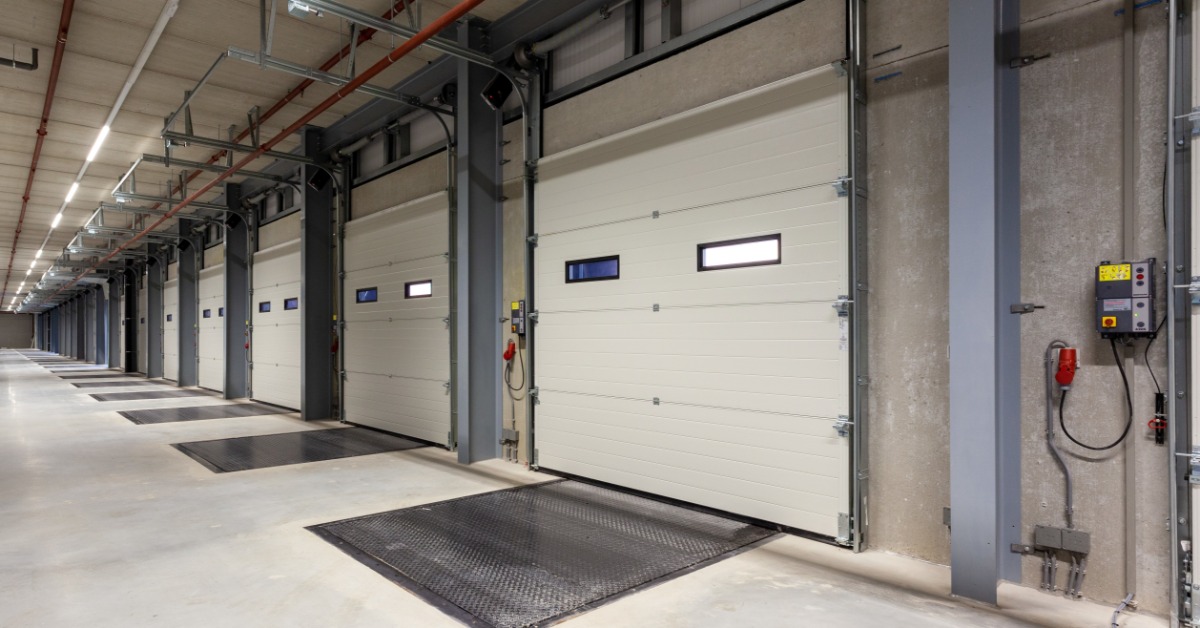
Loading access can make or break a commercial building’s utility. Value-add strategies in industrial property acquisitions may include changes that help trucks, products, and employees move through the site more efficiently.
Common loading access improvements include:
- repairing dock doors and levelers
- adding or improving drive-in access
- reworking trailer staging areas
- improving dock lighting and safety
- adjusting loading paths for trucks
Rework Interior Layouts
A dated interior layout can limit how tenants use otherwise practical industrial space. Office areas may occupy too much warehouse square footage, storage areas may feel awkward, or production zones may not meet current user needs. Layout changes can help the property serve a better tenant fit.
Office-To-Warehouse Balance
Some older industrial buildings have more office space than today’s tenants need. After acquisition, a buyer may reduce or relocate office areas so more square footage supports warehouse, storage, production, or staging needs.
Workflow and Space Use
The layout should help people, materials, and equipment move through the building without unnecessary friction. The buyer may open up crowded areas or remove layout obstacles that slow work.
Strengthen the Leasing Strategy
A distressed asset may have vacant space, below-market rent, short lease terms, or tenant uses that no longer match the property’s best opportunity. A new leasing plan can help reposition the asset to align with current market demand.
That plan can change several parts of the leasing approach. The owner may adjust asking rents, market the property to different industrial users, improve the presentation of the space, or offer tenant improvements that make the building easier to occupy. These changes help connect the building’s strengths with the tenants most likely to use the property well.
Smooth Site Circulation
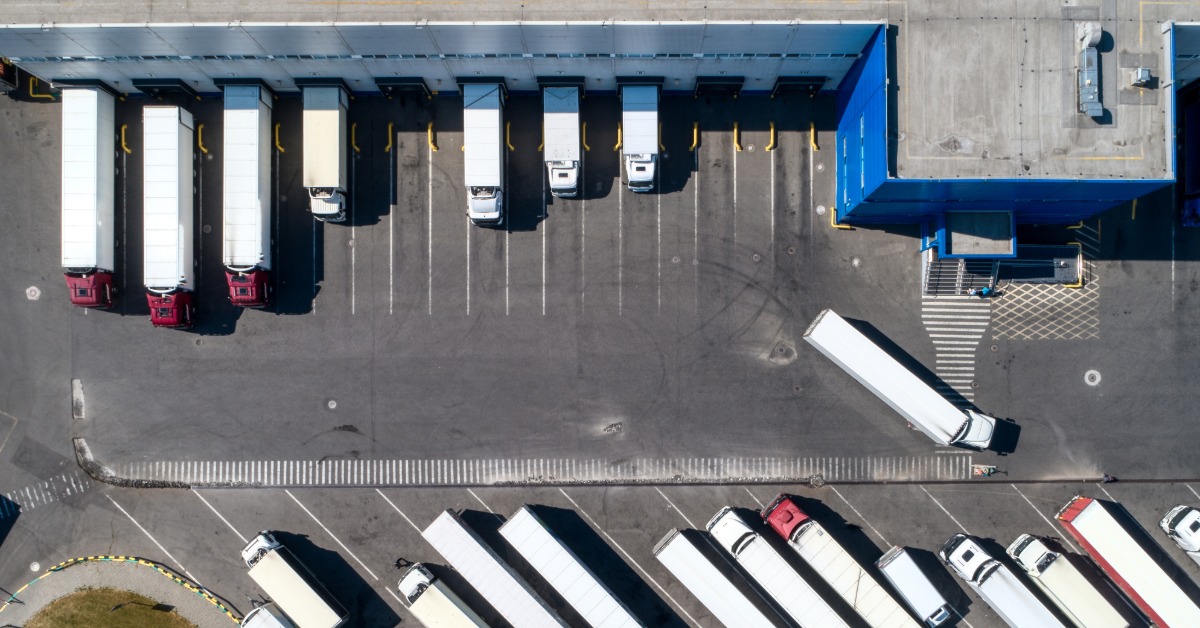
Site circulation affects how trucks, employees, vendors, and visitors move around the property each day. Improved circulation can reduce congestion and help daily operations run more smoothly.
Common site circulation issues or improvements include:
- reworking truck turning areas
- improving driveway access points
- separating truck and car traffic
- repairing pavement and parking areas
- adding clearer directional signage
Look for Movement Conflicts
Some circulation problems happen when different types of traffic compete for the same space. Trucks may cross employee parking areas, vendors may block loading zones, or visitors may struggle to find the right entrance. A buyer can review these conflict points before deciding what to change.
Refresh Exterior Presentation
Exterior presentation shapes the first impression before anyone walks inside. Faded paint, poor signage, worn entrances, overgrown landscaping, or cracked pavement may make a functional property feel neglected. Targeted exterior updates can help the property look more cared for and market-ready.
A refresh should still stay practical. Industrial tenants usually care most about function, access, and reliability, but a clean exterior can support confidence in the property.
Improve Property Management
Repairs and upgrades may improve the building, but they don’t replace day-to-day oversight. After a commercial real estate acquisition, property management helps keep the asset working as intended. That includes tenant communication, routine maintenance, vendor coordination, and planning for future needs.
Property management also helps the building stay reliable over time. Tenants need a responsive team that understands industrial space, maintenance timing, and operational needs. When smaller issues are handled early, the property is better positioned to remain useful and competitive.
A strong value-add plan considers the entire industrial asset, not just a single repair or upgrade. Building systems, layout, access, and management all shape how the property performs. With value-add strategies in industrial property acquisitions, buyers can turn a property’s current challenges into a clearer plan for improvement after closing. If you’re ready to sell an industrial property, bring the opportunity to Weston. We can review the asset, discuss its potential, and move the transaction forward.