
Tips for Expanding Your Business Into New Facilities
October 21, 2026
When your business outgrows its current facility, finding more space may seem like the obvious next step. Inventory takes up more space, equipment needs change, and the layout makes operations harder to manage. But expanding your business into new facilities requires careful planning. Use these tips to prepare for the next stage of growth.
Decide Between Relocation and Multiple Facilities
When your business outgrows its current space, decide whether to relocate to a larger building or open an additional facility. Moving to a larger property keeps employees, equipment, and inventory in one place, making daily operations easier to coordinate. It also lets you choose a building that better supports your growing needs.
Opening a second location allows you to increase capacity without leaving your existing facility. It may also put your business closer to customers in other markets, potentially reducing delivery distances. However, operating multiple sites requires additional coordination to keep work running smoothly across locations. The best option depends on how your business operates, where your customers are located, and how you expect to grow.
Identify Markets That Support Growth
When expanding your business into new facilities, the right market can affect both daily operations and long-term growth. A location with affordable rent may seem attractive, but poor transportation access or a limited workforce could increase operating expenses. Consider how each potential market fits into your existing business network and whether it offers opportunities to reach new customers.
When comparing locations for a new facility, consider these factors:
- distance to major customers and delivery destinations
- connections to highways, rail networks, airports, or shipping terminals
- access to workers with the skills your operation requires
- utility capacity and other resources that support industrial activity
- existing industrial buildings and land suitable for future development
- zoning requirements and permitted uses that could affect operations
Research Permits and Occupancy Requirements
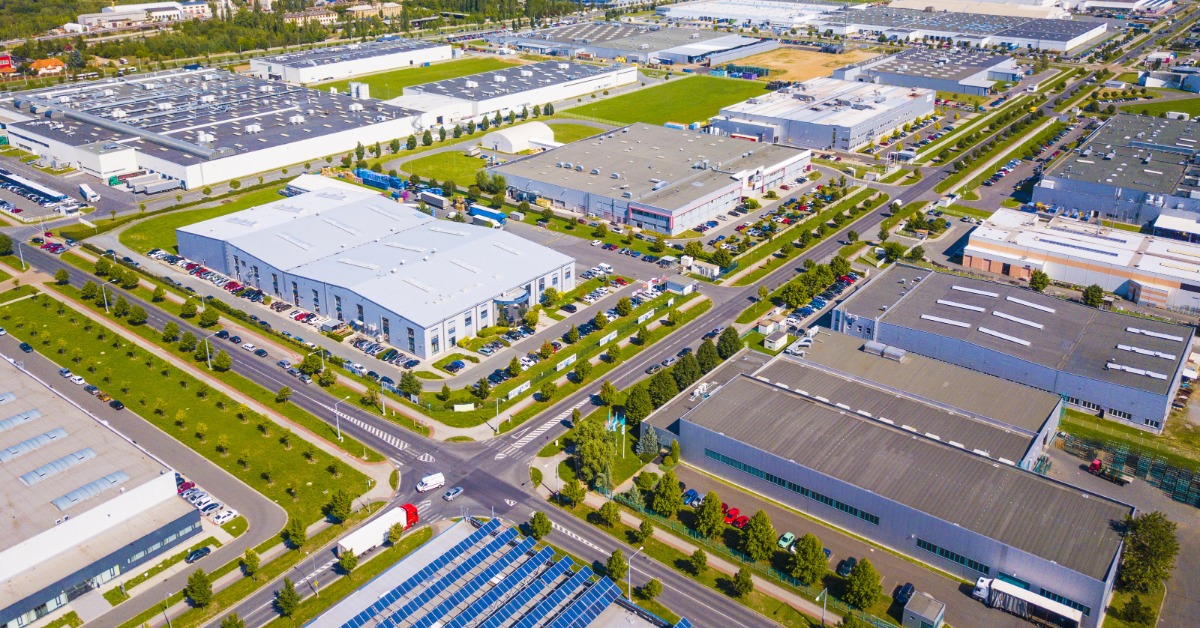
Depending on how you’ll use the building, you may need permits for renovations, equipment installation, or occupancy changes. Local building and fire codes can also affect how you configure storage areas and other parts of the facility.
Check these requirements early, especially if your business uses specialized equipment or handles regulated materials. Some approvals may take time or require modifications before you can begin operations. Understanding these restrictions can prevent unexpected expenses and delays during expansion.
Consider How Facilities Will Work Together
Opening another location changes how work is distributed across your business. Activities that once took place in a single building may need to be divided between different sites, creating new coordination requirements. Planning how your facilities will operate together can prevent overlapping responsibilities and keep work moving efficiently.
Define Each Facility’s Role
Decide which activities will take place at each location before expansion begins. For example, one facility might handle production while another manages storage and distribution. Clearly assigning these functions reduces confusion and makes better use of available space.
Coordinate Inventory and Distribution
When operations are spread across multiple locations, materials may need to move between facilities regularly. Establish procedures for transferring inventory and updating stock records so employees know what’s available at each site. Transportation schedules should also reflect how often products and supplies need to move.
Plan Staffing Across Locations
Each facility needs enough employees to handle its assigned operations. Consider whether existing staff will transfer between locations or if additional hiring will be necessary. Clear communication between teams can make it easier to coordinate daily schedules and address problems as they arise.
Account for Expansion and Operating Costs
Expansion costs go well beyond securing a new property. Preparing the building for use and moving existing operations can create substantial upfront expenses, especially when specialized equipment is involved. If you’re adding a second location, you’ll also need to budget for the ongoing costs of maintaining separate facilities.
Expenses to plan for include:
- moving costs
- facility modifications
- utility expenses
- staffing costs
- transportation expenses
- property expenses
Evaluate Space for Future Flexibility
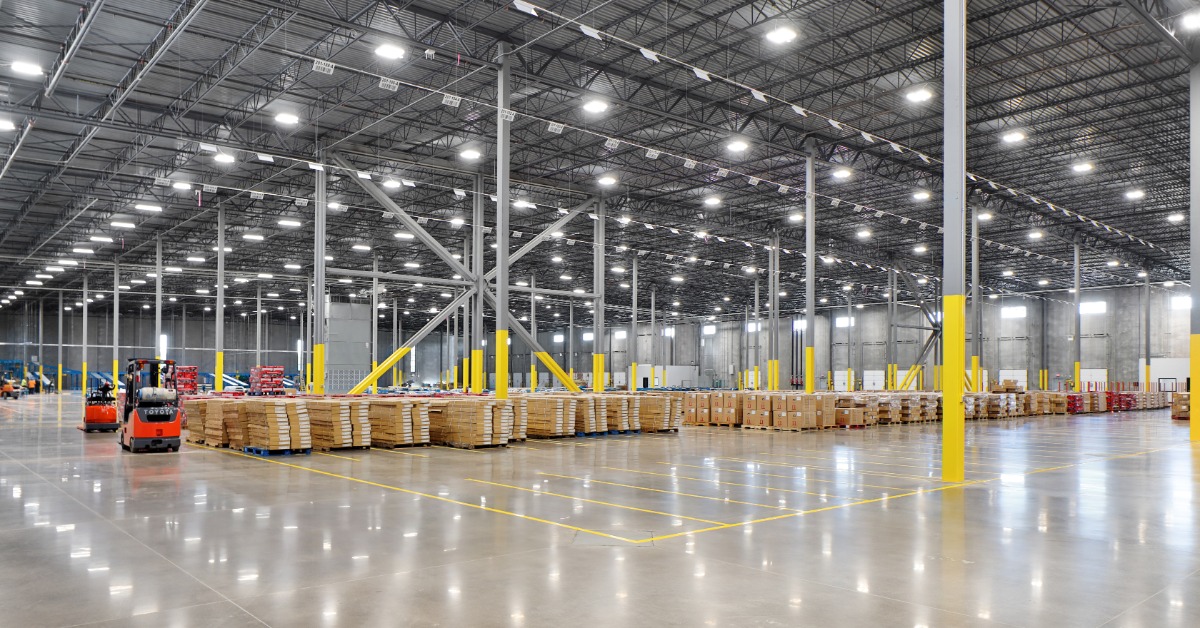
A facility that meets your current requirements may not be suitable a few years from now. As you compare properties, think about whether the layout can adapt to changes in equipment, storage needs, or production processes. Features such as sufficient ceiling height and flexible floor space may give you more options as operations evolve.
It’s also important to understand how the lease could affect future changes. Review provisions covering property modifications and renewal options, along with any opportunities to lease additional space. These terms can affect whether you can adjust the facility as your business grows.
Consider Options for Additional Expansion
Some properties offer room to grow without requiring another move. Depending on the building and local regulations, you may be able to lease an adjacent unit or add space to an existing structure. For projects involving new construction or major modifications, commercial property development companies can help you evaluate site conditions and building requirements.
Create a Phased Expansion Plan
Moving into a new facility doesn’t mean you have to transfer every part of your operation at once. A phased transition lets you move equipment and inventory gradually while keeping essential activities running at the original location. It also gives employees time to adjust to the new building and allows problems to be addressed before operations reach full capacity.
Start by identifying which systems and activities need to be established first. Utilities and communication systems, for instance, should be ready before the new location begins handling regular operations. From there, create a schedule with clear milestones and responsibilities so everyone involved understands the transition process.
Prepare Customers and Suppliers
Facility expansion can affect the businesses that rely on your deliveries and services. Notify customers and suppliers of any changes to shipping addresses, delivery schedules, or order fulfillment procedures before the transition begins. Sharing this information early gives them time to update their records and adjust their operations.
Expanding into a new facility can give your business the capacity to serve additional markets and operate more efficiently. The key is finding space that meets your current requirements while leaving room for future changes. Weston offers industrial and warehouse leasing options for growing businesses, backed by experience in property development and management. Browse our available properties to find a location that fits your expansion plans.