
How Location Impacts Industrial Property Leasing
October 6, 2026
Two industrial properties can look similar on paper but function very differently depending on their locations. A site’s surrounding roads and nearby workforce can affect day-to-day operations and leasing decisions. Understanding how location affects industrial property leasing helps tenants compare spaces beyond rent and building size. Consider these factors when comparing locations for your operation.
Location Shapes Tenant Demand
Industrial leasing demand can vary significantly between nearby cities and submarkets. Areas near established business districts or transportation networks may attract more interest than locations with fewer nearby resources. Local economic activity and available inventory can also influence how quickly industrial space is absorbed.
Vacancy rates show how much industrial space is available in a given area. When vacancy is low, tenants may have fewer options and face more competition for suitable space. Higher vacancy usually means more options, but not every available building will meet a company’s needs. Considering vacancies along with rent, building condition, and property type gives a clearer picture of the local leasing market.
Commute Times Affect Hiring
A property’s location matters for industrial property leasing because commute times can affect how easily a business attracts and retains employees. This becomes especially important for companies with large workforces or multiple shifts. Workers may be more likely to choose similar positions closer to home. Heavy traffic, limited road access, or long travel distances can make a site less convenient.
Access to major roads can make a facility easier to reach from surrounding communities. Public transportation may also improve access for employees who don’t drive. These options can expand the area from which a business can draw workers.
Transportation Access Affects Operating Efficiency
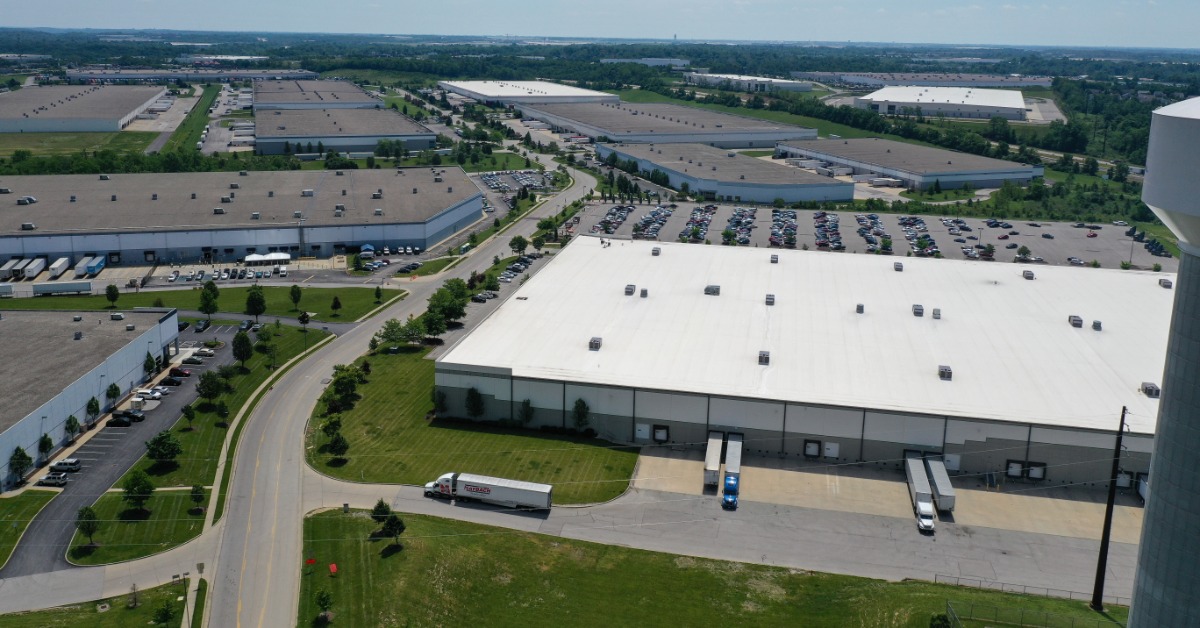
Transportation access can influence how efficiently goods move to and from an industrial property. A location that reduces travel between the facility and key transportation routes may shorten trips and make regular deliveries easier to manage. The most useful connections will depend on how a business receives materials and distributes its products.
Highway Access Supports Trucking
For businesses that rely heavily on trucks, proximity to major highways can reduce the distance drivers travel on local roads. Convenient interstate access may also make it easier to serve customers or distribution points across a wider region. Tenants should consider both the distance to major routes and how easily trucks can enter and leave them. Local congestion, road restrictions, and traffic patterns also affect travel times.
Rail and Intermodal Options
Rail access may be valuable for businesses that move large quantities of materials or products over long distances. Intermodal facilities allow freight to transfer between rail and trucks, giving some operations additional transportation options.
Airports and Ports Extend Reach
Access to cargo airports or ports can matter for companies moving goods over longer domestic or international distances. A nearby facility can reduce the ground transportation required before or after air or water shipment. The value of that proximity depends on shipment frequency, destinations, and the type of products being moved.
Emergency Response Varies by Location
Access to emergency services can differ depending on where an industrial property is located. Proximity to fire departments and emergency responders may be especially important for facilities that store inventory, use specialized equipment, or handle certain materials.
Local fire codes may influence building requirements and how businesses can use parts of a facility. Tenants should review these requirements when comparing properties, especially if their operations involve added safety considerations.
Local Rules Shape Property Use

A building may have the right size and layout but still face local restrictions that complicate a tenant’s operations. A commercial real estate company with local experience can provide context on properties and the conditions surrounding their use.
Zoning Determines Permitted Uses
Zoning rules establish which activities are allowed at a particular property. Some locations may permit warehousing but restrict certain manufacturing, processing, outdoor storage, or other industrial uses. Requirements can also differ between neighboring municipalities. Tenants should confirm that their intended operations are permitted before moving too far into lease negotiations.
Truck Rules Can Limit Access
Local regulations may control where and when commercial trucks can travel. Weight limits or delivery-hour rules can change how vehicles reach an industrial property. A site near a highway may still be inconvenient if trucks must follow a longer approved route to reach it. Reviewing these restrictions can prevent transportation problems after the lease begins.
Permits May Shape Facility Changes
Tenants that plan to modify a space may need permits or local approvals before work begins. Requirements may apply to occupancy changes or building alterations. Approval timelines and requirements vary by jurisdiction. Checking these details early can give tenants a more realistic timeline for preparing the space for operations.
New Development Expands Leasing Options
New industrial construction gives tenants more property types to consider. Newer buildings may offer different sizes, loading configurations, clear heights, or other features that aren’t as common in older inventory.
Development activity can also show where the local industrial market is growing. Projects that are planned or already under construction may create additional leasing opportunities in the future. Watching that pipeline can give tenants a better sense of how much inventory may be available when they’re ready to lease.
Local Taxes Affect Occupancy Costs
Rental rate is only one part of the cost of occupying an industrial property. Property taxes and other location-specific charges can vary by municipality or taxing district, creating meaningful cost differences between similar buildings. Tenants should review the lease carefully to determine which expenses they must pay.
These differences matter most when comparing properties across city or state lines. A building with a lower base rent may not have the lowest overall occupancy cost once you include taxes and other charges.
Before signing a lease, tenants should test how the location works against their actual operating needs. That includes everything from employee commute patterns to property restrictions. Weston’s experience as an industrial property owner, developer, and manager gives tenants a useful perspective. Let our team provide local market insight while helping your business evaluate properties.