
How To Choose the Right Industrial Space for Your Business
May 13, 2026
A warehouse or industrial property is more than a place to store products or park equipment. It becomes part of how your team moves, ships, receives, produces, and solves problems every day. Choosing the right industrial space for your business can make work run more smoothly, while the wrong one can create headaches that show up every week. Before signing a lease, compare how each property supports your daily workflow, from receiving shipments to moving inventory and staging outgoing orders.
Understand Your Daily Operations
Start by reviewing how work moves through your business on a normal day, from the first delivery to the last shipment. Pay attention to who uses the space, what equipment they rely on, and which tasks need the most room or coordination. This gives you a practical baseline for evaluating prospective buildings.
Next, look for the parts of your current operation that feel slow, crowded, or inefficient. That might include backed-up receiving areas, awkward handoffs, long walks between work zones, or recurring delays. Once you know what is not working now, you can tour each property with a clearer idea of what you want in your next space.
Plan for Future Growth
A building that works today may feel tight if inventory, staff, equipment, or truck traffic increases. That’s why it’s a good idea to look beyond your immediate space needs. Check whether the layout allows for added racking, more staging space, or future tenant improvements. The best fit should give your business room to adjust.
Determine Your Space Requirements
Square footage matters, but it should never drive the decision by itself. A 50,000-square-foot warehouse with poor layout may feel tighter than a smaller building with better flow. Clear height, column spacing, loading configuration, and staging areas all affect how useful the space feels.
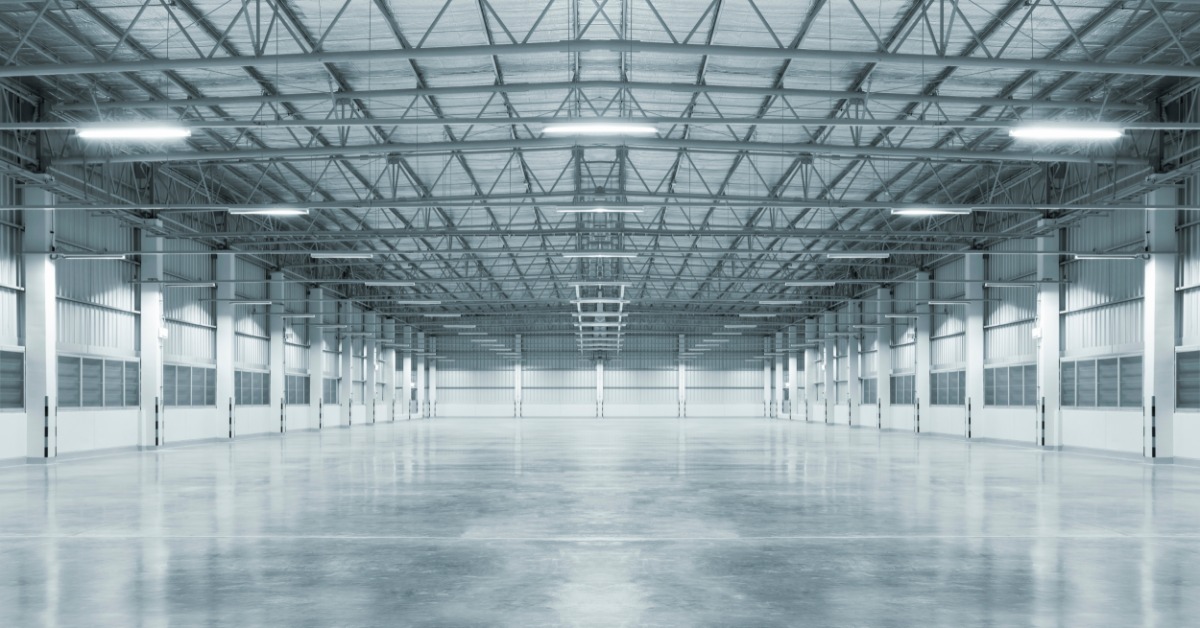
Warehouse Square Footage
Start by calculating the square footage your business uses today. Break that number down by inventory storage, equipment, aisle space, staging areas, packing stations, and room for safe movement. Use that review to decide how much space you need now and how much flexibility you may need for seasonal changes or shifting inventory levels.
Office and Employee Areas
Industrial space may also need offices, restrooms, break areas, conference rooms, or customer-facing areas. The office-to-warehouse ratio should fit your business instead of taking space away from core operations.
Loading and Door Needs
Dock doors, drive-in doors, and loading areas affect how quickly products move in and out. A good setup should reduce congestion during busy receiving or shipping periods. Review how many trucks you handle, what types of vehicles visit the property, and how much room drivers need to maneuver.
Ceiling Height and Racking
Clear height affects storage capacity, racking options, equipment use, and overall efficiency. A taller building may support more vertical storage, while a lower-clear building may limit how inventory can be organized. Additionally, confirm that column spacing works with your racking layout and material-handling equipment.
Compare Locations Carefully
Your site should connect well to the people and materials that keep your operation moving. A lower-rent building may cost more in the long run if trucks travel too far, employees struggle to reach the site, or deliveries take longer than expected.
Consider these location factors before choosing a building:
- employee commute times and access to labor pools
- proximity to highways, ports, airports, or rail
- distance to suppliers and carriers
- local road conditions, traffic patterns, and truck routes
- nearby amenities and parking access
Ask About Site Restrictions
Ask whether the property has rules that could affect how you use the site each day. These may include limits on outdoor storage, signage, parking, loading areas, or operating hours. Some rules may come from the landlord, while others may come from the municipality or business park.
Review these restrictions before you get too far into lease discussions. A property may look like a good fit, but limit something your operation needs.
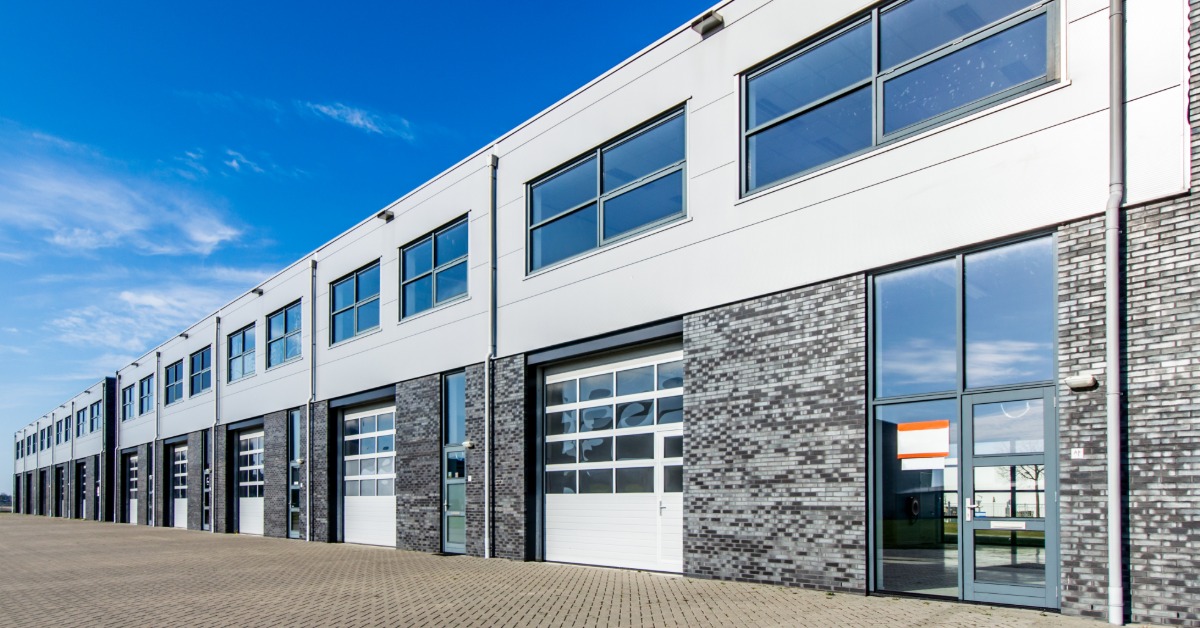
Review Building Features
Industrial buildings can look similar in listings, but their features may support very different operations. Power, lighting, floor condition, loading areas, and possible improvements can all affect whether the space works for your business.
Power and Utilities
Some operations require basic electrical service, while others require more substantial power for production, refrigeration, charging stations, or specialized systems. Ask what power is already available and whether upgrades may be possible. Also review water, gas, internet, and other utilities that support daily work.
Safety Systems
Sprinkler systems, alarms, exits, lighting, and ventilation all affect safety and daily use. Make sure these features support your team size and the work employees perform. These systems should also protect your materials, products, and inventory.
Tenant Improvements
Some industrial spaces need changes before they truly fit the tenant. These changes may include office buildouts, added doors, lighting upgrades, warehouse modifications, or other updates tied to the operation. Ask which improvements the landlord may consider and how the approval process works.
Confirm Lease Details
The monthly rent is only part of what you may pay for an industrial space. A careful lease review shows which costs, responsibilities, and future options come with each property.
Review these lease details before signing:
- Confirm what the base rent includes and what costs get billed separately.
- Ask how taxes, insurance, utilities, and maintenance expenses are handled.
- Review who is responsible for repairs to the roof, structure, HVAC, docks, doors, and other building systems.
- Look at the lease term, renewal options, rent increases, and any early termination language.
- Ask whether the lease gives you room to modify the space as your business grows.
Consider Landlord Support
As you compare industrial spaces for lease, remember that the landlord can make a big difference in your day-to-day experience. The ownership, maintenance standards, and communication style will shape what happens after move-in.
Responsive Management
A strong landlord communicates clearly before and after the lease is signed. Ask how maintenance requests are handled, who your main contact will be, and how quickly the team responds to building issues.
Long-Term Flexibility
Your business may need to renew, expand, reconfigure, or adjust the space later. A good landlord will have a practical conversation about what changes may be possible and how those requests get reviewed. That kind of support can make the property work better as your operations change.
Choosing an industrial space involves reviewing your space requirements, workflow, safety needs, storage demands, and long-term plans. When the building fits the way your business operates, daily work becomes easier to manage. Weston helps companies evaluate industrial properties based on practical needs and future goals. Connect with us to review available industrial spaces for lease.