Acquisition vs Development Which Strategy Is Better
May 19, 2026
A commercial real estate project can begin in two very different ways. One path starts with an existing building, while the other starts with a site, a plan, and a vision for what the property needs to become. A strong real estate partner helps businesses compare acquisition and development to find the best strategy for their needs. That choice depends on timing, market demand, property requirements, budget, and long-term use.
What Acquisition Offers
Acquisition means purchasing an existing property rather than building one from the ground up. The buyer may then lease it, improve it, reposition it, or hold it for long-term value. This approach offers buyers and tenants something they can evaluate right away. They can walk through the building, see how the site functions, and decide whether the property fits their current needs.
Faster Path To Use
Acquisition can be a good option when a business needs space sooner rather than later. Since the building already exists, the process may move more quickly than starting a development project from the ground up.
Access to Established Locations
An existing property may already sit in a strong commercial or industrial area. That can give buyers or tenants access to nearby highways, suppliers, labor pools, customers, or other businesses.
Clearer Market Visibility
Acquisition gives buyers a better sense of how the property fits into the current market. They can evaluate nearby demand, comparable properties, tenant interest, and the building’s potential before making major plans.
How Development Creates Value
Development means creating or improving a property through planning, design, approvals, construction, and project coordination. Instead of working within the limits of an existing building, this approach gives owners and tenants more influence over how the property functions. Experienced commercial property developers manage the details that turn a real estate plan into a working property. Weston offers this support through development project management, construction coordination, and practical guidance shaped by long-term ownership experience.
Built Around the Business
Development gives the project team a chance to plan the property around the business’s operations. Instead of adjusting to an existing building’s limits, the project can consider movement through the site, storage needs, loading activity, employee access, and future expansion. This can be especially helpful when the business has specialized operational needs.
Planned for Long-Term Use
A development project can account for maintenance, efficiency, building performance, and the property’s need to adapt over time. That long-term view keeps the property useful as business needs change, minimizing the need to relocate later.
Timeline for Occupancy
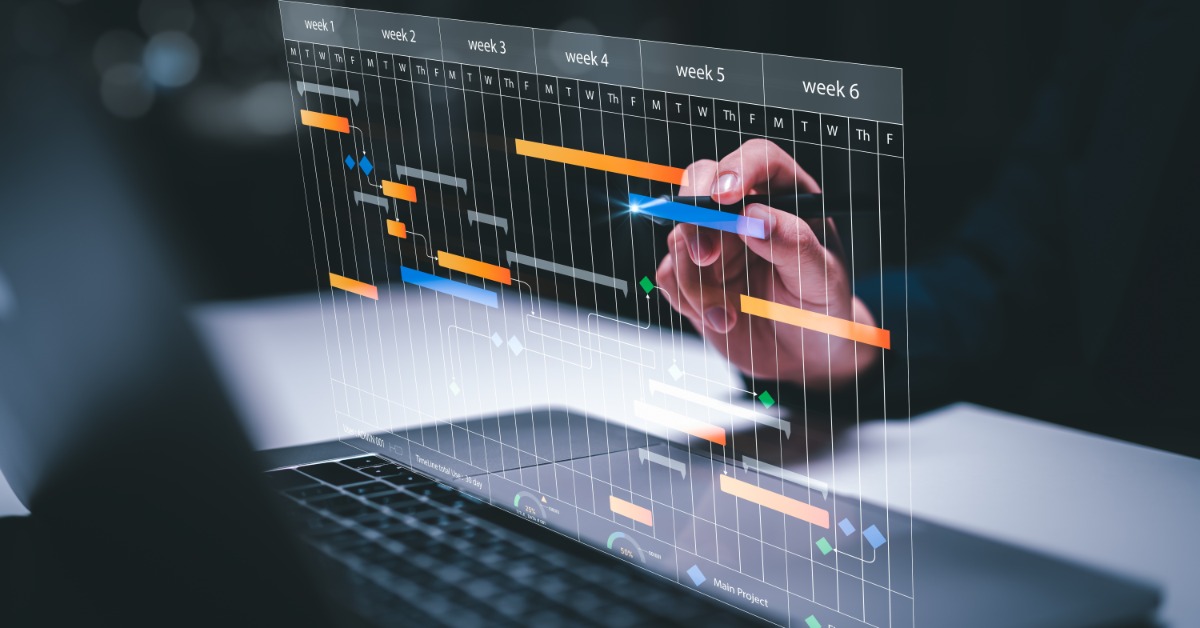
If a business needs space sooner, an acquisition may offer a faster path because the building already exists. Development usually requires more lead time.
Key timeline questions may include:
- How soon does the business need to occupy the space?
- Will the existing property need major improvements first?
- Are approvals or permits likely to affect the schedule?
- Does the tenant have flexibility in its move-in date?
- Would waiting for a better-fit property create long-term value?
Keep in mind that the fastest path is not always best. A shorter timeline may lose value if the company must spend heavily on improvements or move again sooner than expected. That is why timing should be weighed against property suitability, cost, and long-term use.
Existing Property Fit
If the market has an existing building that supports the business well, an acquisition may make practical sense. The inspection and review period depends on the property’s size and complexity, but the process can take several weeks.
A strong property search should look closely at these details:
- Location: Check whether the property offers practical access to highways, suppliers, customers, labor, and key service areas.
- Condition: Review the building’s structure, pavement, systems, and maintenance history.
- Utilities: Confirm that utility services can handle the operations.
- Loading: Look at dock doors, drive-in doors, truck courts, and trailer movement to see whether the site supports deliveries and shipping.
- Parking: Evaluate whether the property has enough space for employees, visitors, trucks, trailers, or fleet vehicles.
- Expansion options: Consider whether the site or building can support future growth or operational changes.
When available buildings fail to meet key requirements, development may be the stronger path. A business may need specific ceiling heights, dock configurations, power capacity, office space, yard areas, or specialized layouts. In that case, development gives the project team greater control over planning the property around operations from the beginning.

Project Budget
For acquisition, the budget should include more than the purchase price. An existing property may need repairs, tenant improvements, environmental review, financing, maintenance, or repositioning.
Similarly, the budget for property development should look beyond the construction estimate. Land, design, approvals, materials, labor, project management, and contingencies all shape the final cost. A clear budget helps the project team understand what it will take to move from planning to a usable property.
A realistic cost plan should include:
- Upfront purchase or land costs.
- Construction or improvement costs.
- Financing and carrying costs.
- Design, permitting, and professional fees.
- Long-term maintenance and operating costs.
Possible Risks
Acquisition and development both come with risk, and no property strategy is completely free of uncertainty. However, the right real estate partner can help you evaluate the details to find the best fit for your needs.
Risks of Acquisition
Acquisition risk usually starts with the property itself. A building may appear to be a strong fit but reveal issues with the structure, systems, or deferred maintenance during due diligence. These discoveries do not always make the property a bad option, but they can change the cost and timeline.
A property in the wrong submarket may be harder to lease or adapt, even if the building looks functional. That is why buyers should look closely at market conditions, tenant needs, surrounding infrastructure, and the true cost of making the property work.
Risks of Development
Development involves many moving parts, which makes it important to work with an experienced team. Land conditions, municipal approvals, construction pricing, contractor coordination, and schedule changes can all affect the project. Even so, development can create a property that supports the intended use better than existing buildings do.
In some markets, buying and improving an existing property creates the strongest opportunity. In others, building new space creates a better fit for the tenant, the location, and the long-term plan. Weston helps businesses like yours weigh the best industrial property options. Contact us today to start a conversation about your commercial real estate goals.