
7 Industrial Real Estate Investment Trends To Watch
October 28, 2026
A newer warehouse isn’t automatically a better investment, and a lower-priced property isn’t necessarily a bargain. Industrial real estate values depend on how well buildings meet tenant needs, what competing properties offer, and how much they cost to own or improve. As these factors change, so do the opportunities available to investors. Watch these seven industrial real estate investment trends to see where the market is heading and what to evaluate before buying.
1. Growing Demand for Modern Warehouses
Companies increasingly want warehouses that support efficient storage and distribution operations. Newer buildings often have features older properties lack, making them attractive to businesses looking to boost productivity or streamline processes. As tenant expectations change, the differences between modern and outdated facilities can influence rental demand and property values.
Modern warehouses may also appeal to companies that need space for specialized equipment or larger inventory volumes. However, newer properties typically cost more to buy, so investors need to decide whether the potential rental income justifies the cost. Comparing acquisition expenses with expected returns can clarify the property’s long-term investment potential.
2. Increased Interest in Secondary Markets
Among the industrial real estate investment trends to watch, growing interest in secondary markets is changing where buyers look for opportunities. These markets, including established manufacturing and logistics centers, may offer lower property prices than larger industrial hubs. They can also appeal to businesses that need transportation access without the higher occupancy costs of major cities.
Still, a lower purchase price doesn’t necessarily mean a better investment. Smaller markets may have fewer potential tenants, making vacancies harder to fill. Before purchasing, investors should examine local employment trends and identify which industries support industrial demand in the area.
Evaluating Local Supply and Demand
The amount of available industrial space in a market can reveal how much competition a property faces when attracting tenants. Comparing vacancy rates with leasing activity helps investors determine whether demand is keeping pace with supply. New construction may indicate business growth, but an oversupply of space can put downward pressure on rental rates. Reviewing these conditions is an important part of commercial property investment, particularly when comparing opportunities across different regions.
3. Rising Demand for Flexible Industrial Spaces
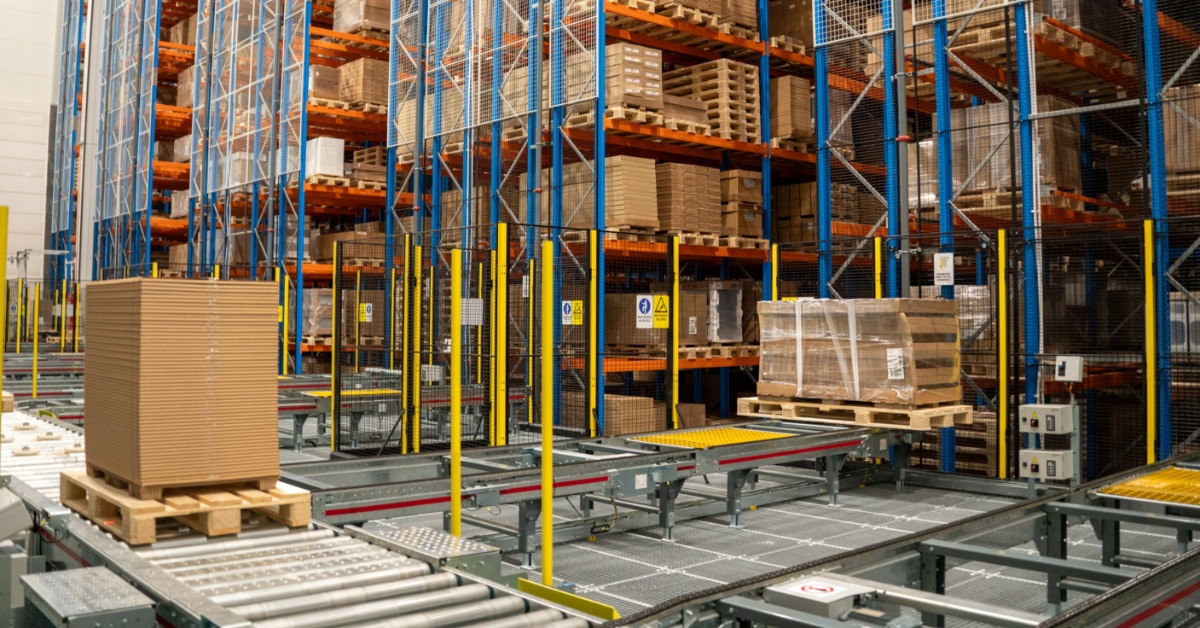
Not every industrial tenant needs a large, single-purpose warehouse. Manufacturers, distributors, and service businesses may prefer spaces that can accommodate changing operations or serve multiple functions. Properties that support different types of businesses give investors more leasing options, though demand still depends on the location and the building’s capabilities.
Several types of industrial properties offer this flexibility:
- Small-bay warehouses accommodate local distributors and businesses with limited space requirements.
- Multi-tenant industrial buildings are divided into separate units, allowing landlords to lease space to several businesses.
- Flex industrial facilities combine warehouse space with offices or areas for light manufacturing.
- Light industrial properties are suited for assembly and other activities that don’t require heavy industrial infrastructure.
4. Growth in Industrial Property Redevelopment
Some investors are buying older industrial properties and plan to improve their functionality and leasing potential. Rather than building from the ground up, they may update existing systems or reconfigure interiors to better suit current tenant needs. These projects can create value when improvements make a property more competitive without the expense of new construction.
Location is especially important when evaluating redevelopment opportunities. An older warehouse near major highways or established business centers may offer access advantages that newer buildings farther away can’t match. The challenge is determining whether the existing structure can support the planned improvements at a reasonable cost.
Comparing Renovation Costs and Potential Returns
Redevelopment budgets must account for both planned upgrades and issues discovered during construction. Roof repairs or electrical upgrades can be expensive, and environmental remediation can add significant costs. To estimate potential returns, investors can compare the property’s expected income and value after renovations with the total purchase and improvement costs. They should also account for construction delays and potential vacancies.
5. Greater Focus on Energy Efficiency

Energy expenses can significantly influence a company’s decision to lease an industrial facility. Buildings with efficient systems may have lower operating costs, making them attractive to tenants focused on managing ongoing expenses. For investors, these improvements can also influence maintenance requirements and how well a property competes with other available spaces.
Several building improvements can contribute to better energy efficiency:
- LED lighting uses less electricity than many older lighting systems and generally requires less frequent replacement.
- Updated HVAC systems can lower heating and cooling expenses in facilities with significant climate-control needs.
- Improved insulation reduces heat transfer through walls and roofs, limiting the energy needed to maintain indoor temperatures.
- Smart building controls allow operators to adjust lighting and temperatures based on building usage.
- Energy-efficient loading dock equipment helps limit air leakage around dock openings during loading and unloading.
6. Changing Industrial Development Strategies
Industrial developers are adjusting their construction plans as financing costs and tenant requirements change. Building large facilities without committed occupants creates financial risk, especially when leasing activity slows. Developers may instead prioritize projects backed by signed leases or strong local demand.
The decision also depends on how quickly businesses need space and whether existing properties can meet their requirements. Companies with specialized manufacturing or distribution operations may need buildings designed around specific equipment and workflows. These differences influence how developers plan projects and how investors assess the potential costs, risks, and returns.
Speculative Construction vs. Build-to-Suit Projects
Speculative development involves constructing an industrial property before securing a tenant. This allows developers to market the finished building to different businesses, but rental income may be delayed until a lease is signed. Build-to-suit development works differently because the facility is designed around a specific tenant’s requirements, typically with a lease agreement arranged before construction begins. Although this can reduce initial leasing uncertainty, investors still need to consider the tenant’s financial stability and whether the building could accommodate another occupant in the future.
7. Financing Costs Influence Investment Decisions
Borrowing costs can influence which industrial properties investors can afford and how much they’re willing to pay. When interest rates rise, larger debt payments may reduce the cash flow remaining after operating expenses. Buyers may need to adjust their budgets or contribute more equity to make an acquisition financially practical.
Investors should also monitor capitalization rates, which compare a property’s annual net operating income with its purchase price or value. These rates can change as market conditions shift, affecting both valuations and expected returns. Rather than relying on a single financial metric, buyers should evaluate projected income alongside debt obligations and potential vacancies.
The best industrial investment opportunities aren’t always the most obvious ones. An older warehouse with strong tenant demand may outperform a newer facility in a less competitive location. Investors who look beyond a property’s appearance and evaluate its income potential, operating expenses, and future flexibility can help them decide where to buy next.