
8 Common Challenges in Industrial Property Development
September 16, 2026
An industrial property developer prepares land or existing property for industrial use. This task can involve site evaluation, zoning, infrastructure planning, approvals, design, and construction. These moving parts create several challenges in industrial property development, especially when conditions change as the project progresses. Decisions at each stage can shape what gets built, how the property functions, and what additional work may be required along the way.
Finding the Right Development Site
A parcel needs to support more than the proposed building footprint. Developers should consider whether the property’s size, shape, and surrounding uses fit the planned facility and its day-to-day operations.
The following physical features can shape the building layout and development plan:
- The parcel’s shape can influence where the building, parking areas, and loading zones are placed.
- Topography may affect grading needs and how much of the land can be used efficiently.
- Usable acreage determines how much room is available for the facility and supporting site features.
- Existing structures may need to be incorporated, modified, or removed before development moves forward.
- Easements or other property restrictions can limit where buildings and improvements can be placed.
Navigating Zoning and Land Use
Local rules determine how a property can be developed and what activities are allowed there. Some of the challenges in industrial property development arise when a proposed building or use doesn’t fit neatly within existing zoning requirements. The project may require additional approvals, exceptions, or design changes.
Important zoning and land-use considerations may include:
- permitted industrial uses
- building height and setbacks
- lot coverage requirements
- parking standards
- truck access and circulation
- outdoor storage restrictions
- landscaping or screening requirements
- neighboring land uses
Addressing Utility and Infrastructure Needs
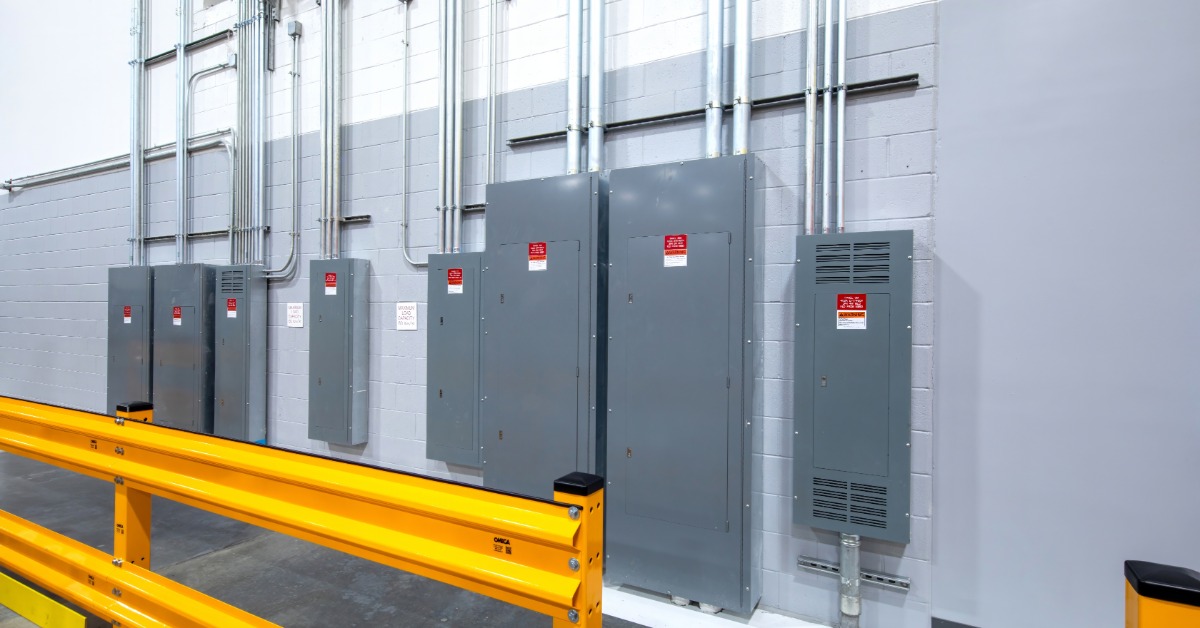
A well-located site can still face problems if the surrounding infrastructure can’t support the facility. Commercial property developers review utility access, road connections, drainage, and other systems that affect how the site functions. They may also coordinate with utility providers and local agencies when upgrades are needed.
Confirming Utility Availability and Capacity
Developers need to verify which utilities are available and whether they can handle the facility’s demand. A nearby connection doesn’t always mean the property has enough capacity. Power, water, sewer, gas, and telecommunications needs can vary by operation.
Planning Road and Site Access
Road access affects how trucks, employees, and deliveries move through the property. Developers may review driveway locations, nearby intersections, traffic flow, and connections to major routes. Limited access can require roadway improvements or added coordination with local authorities. Those needs can influence both the site layout and project timeline.
Managing Drainage and Stormwater Systems
Industrial development can change how water moves across a property. Developers need to account for drainage conditions and local stormwater requirements when planning the site. Depending on the property, the project may require detention areas, drainage improvements, or other runoff controls.
Handling Environmental and Site Conditions
Conditions on and below the property can significantly influence development plans. Soil quality, drainage patterns, previous land uses, wetlands, and other site features may require additional investigation or design changes. If these issues are identified late, they can be harder and more expensive to address.
A thorough site review gives developers better information before finalizing major design and construction decisions. Depending on the property, that may include specialized environmental or geotechnical assessments. The findings can influence building placement, grading, foundation design, drainage, and site preparation.
Soil and Environmental Risks
Geotechnical and environmental reviews examine different types of risk. Soil conditions can affect foundations, pavement, and grading. Environmental reviews may identify concerns tied to past property uses or natural site features.
Managing Construction Costs
Industrial development costs can shift as the project moves from planning into construction. Expenses may come from site preparation, labor, materials, utilities, professional services, and design changes. An up-to-date budget gives developers a clearer picture of what the project may require.
Accounting for Site and Design Changes
Unexpected site conditions can create costs that weren’t obvious during the initial review. Soil problems or utility extensions may require additional work before construction can continue. Design changes can also affect materials, labor, and scheduling.
Updating Estimates Throughout Development
Early budgets are based on limited information, while later estimates can reflect finalized plans, contractor pricing, and confirmed site requirements. Developers may also include contingencies for costs that can’t be predicted precisely. Regular updates make the budget more useful for tracking changes and planning next steps.
Securing Permits and Approvals
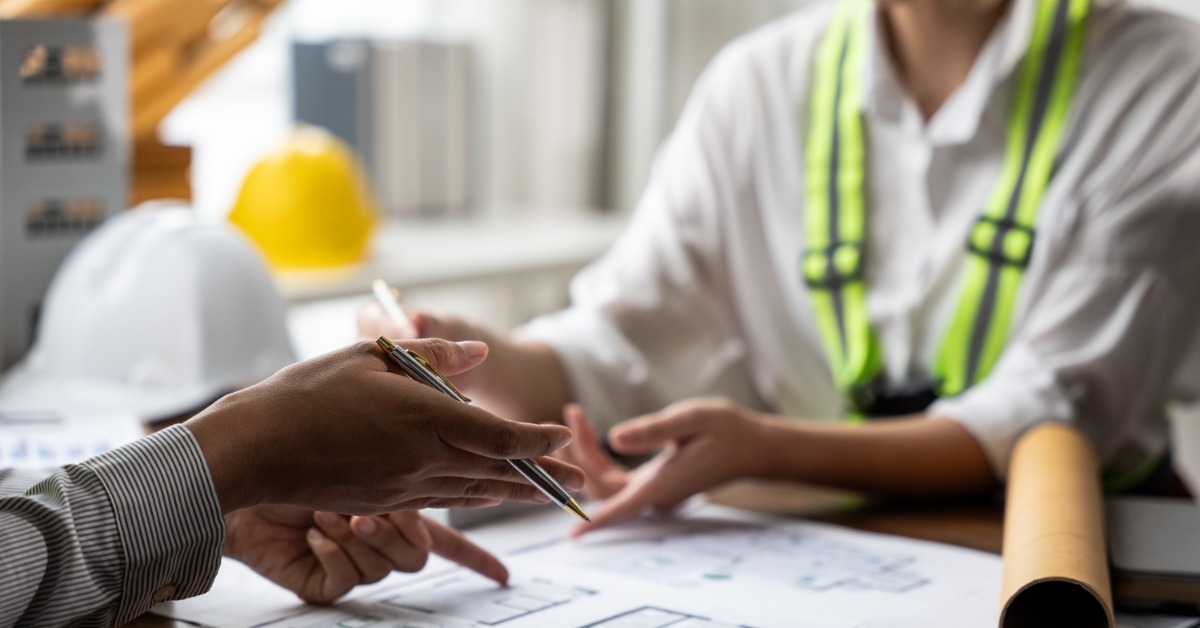
Industrial projects may need review from several local or regional authorities before construction can begin. Building plans, civil drawings, utility connections, stormwater systems, and fire protection may each follow different review processes. Requirements vary by jurisdiction and by the type of facility being developed.
Developers should identify required submissions and approval sequences as early as possible. Reviewing agencies may request revised drawings, supporting documentation, or additional information before issuing approval.
Keeping Construction on Schedule
Industrial construction depends on many activities happening in the right sequence. Delays in site work, inspections, materials, or building systems can affect later phases. A clear schedule helps the project team track progress and respond when conditions change.
Sequencing Major Construction Phases
Each construction stage depends on certain work being completed first. Site preparation, structural work, utilities, building systems, and interior improvements need to be planned in a workable order. If one phase runs late, later work may need to be rescheduled.
Coordinating Contractors and Deliveries
Multiple contractors and specialists may be working on the property at the same time. Their schedules need to account for site access, inspections, equipment use, and material deliveries. Coordination can reveal conflicts before they slow down construction. It also gives teams a clearer understanding of when their work needs to begin and finish.
Adjusting for Unexpected Delays
Weather, material shortages, design revisions, and unforeseen site conditions can all affect the timeline. These issues may require changes to the construction sequence or upcoming milestones. Project teams should review progress regularly and update the schedule as new information becomes available. That flexibility can reduce the impact of delays on the rest of the project.
Adapting to Tenant Requirements
An industrial building must support the tenant’s day-to-day operations. Tenant requirements may vary based on how goods are stored, what equipment is used, how trucks access the building, and how much power the operation needs. A layout that works for one business may not work well for another without major changes.
Developers should identify the most important operational needs before the design becomes difficult to revise. Features such as clear height, dock configuration, drive-in access, electrical capacity, office space, flooring, and equipment placement can all shape the final layout.
Industrial development rarely follows a perfectly predictable path. New information can surface as a project moves from planning into construction, which may affect timing, costs, or design decisions. Strong coordination keeps the work moving and gives teams a clearer way to respond when conditions change. Experienced developers coordinate these decisions to keep the process moving and create a functional property.