
How To Compare Commercial Properties for Lease
November 16, 2026
Two commercial properties may have similar rental rates and square footage but offer very different experiences for tenants. One might offer a more efficient layout, while another has lower operating expenses or requires fewer improvements before move-in. When you compare commercial properties for lease, looking beyond the advertised details can reveal differences that affect your budget and daily operations. Here’s how to evaluate properties to identify which best suits your business.
Compare Building Size and Layout
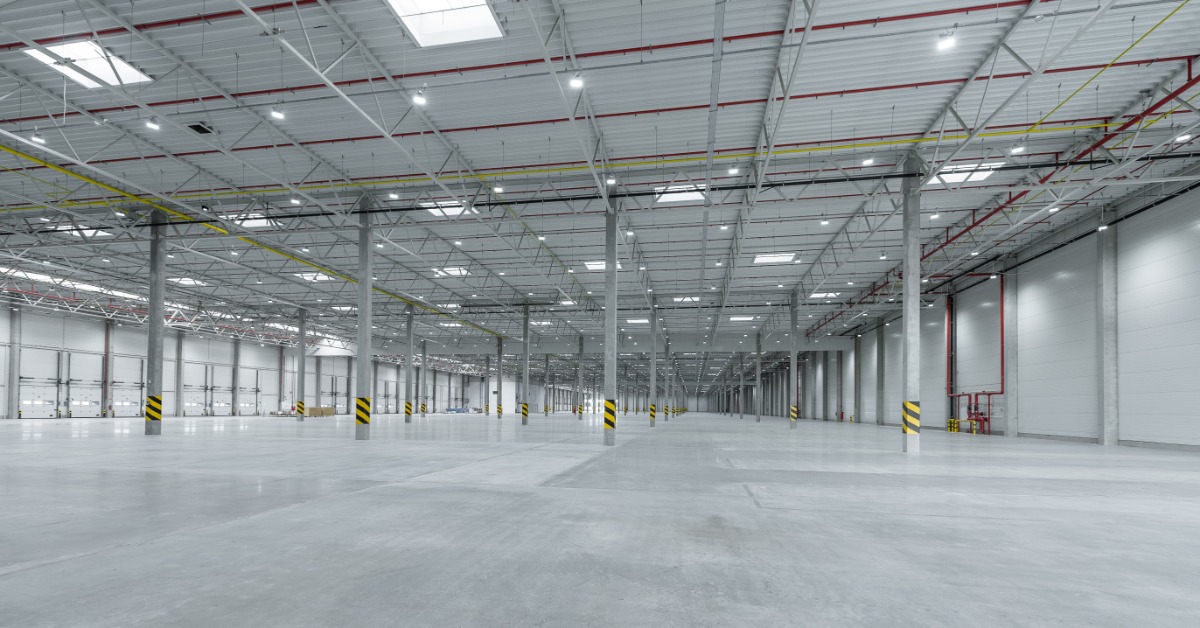
A commercial property needs enough space for your business, but its layout is just as important as its size. A large building may still create challenges if columns, walls, or other structural features limit where equipment and materials can go. Compare each property’s dimensions and floor plan to see how well they accommodate your operations.
Consider how employees and equipment will move through the building during daily operations. Even with enough square footage, a poorly designed layout can create congestion or force workers to take inefficient routes. Walking through each property with your typical workflow in mind can reveal potential problems that aren’t obvious on a floor plan.
Assess Location and Accessibility
Location affects how easily your business can reach customers and access important destinations. When comparing commercial properties for lease, consider how each location supports your operations rather than judging it by the address alone. A site near major highways or key suppliers may reduce transportation time and expenses.
It’s also worth looking at what’s happening in the surrounding area. Heavy traffic, nearby construction, or road restrictions could create challenges that aren’t apparent during an initial property tour. Visiting at different times of day can give you a better sense of what to expect once your business moves in.
Consider Employee and Delivery Access
Even a well-located property can be inconvenient if getting in and out is difficult. Compare parking availability and driveway configurations to see whether they can accommodate your employees and visitors. For industrial facilities, check whether trucks have enough room to enter and reach loading areas without difficulty.
Evaluate Building Conditions and Features
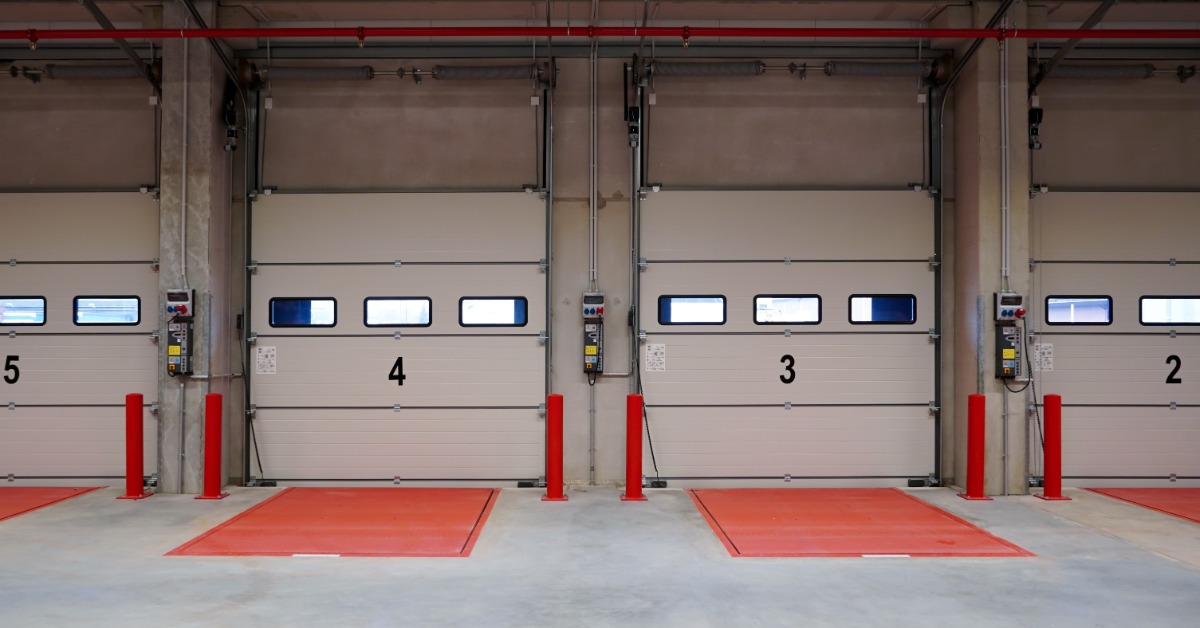
A building’s condition can influence maintenance expenses and the work needed before occupancy. Two properties with similar layouts may have very different mechanical systems or infrastructure, which could affect how well they support your operations. During property tours, ask about the condition and maintenance history of major systems, and pay close attention to features your business relies on.
When on a property tour, take these steps to evaluate features:
- Inspect the roof for visible damage and signs of previous repairs.
- Check the age, condition, and capacity of the HVAC systems.
- Confirm that the building’s electrical capacity can support your equipment.
- Make sure the ceiling heights provide enough clearance for storage or machinery.
- Evaluate the loading facilities, including dock doors and space for trucks to maneuver.
- Verify that the fire protection systems meet applicable requirements for your intended use.
- Assess whether the existing lighting and ventilation are sufficient for your daily activities.
Review Lease Terms and Flexibility
Two properties with similar rental rates can come with very different lease agreements. Review the lease duration and any restrictions on how you can use or modify the space. You should also check how rent increases are calculated and which repairs or maintenance tasks you’ll be responsible for.
Next, consider how the agreement fits your business plans over the coming years. A longer lease may provide stability, but a shorter commitment could be more practical if your space requirements are likely to change. Pay particular attention to provisions governing early termination or lease transfers, as these could affect your options if you need to relocate.
Compare Renewal and Expansion Options
A property that works well today may not meet your needs several years from now. Check whether each lease includes renewal options, how much notice you’ll need to provide, and whether additional space might be available if your business grows. If your future plans involve expanding or modifying a facility, explore how commercial property development companies can support projects that require new construction or improvements to existing spaces.
Check Landlord Responsibilities and Support
The landlord’s management practices can shape your experience long after you’ve signed the lease. Ask how maintenance requests are handled and whom you’ll contact when an issue arises. It’s also worth finding out whether the building has an on-site manager or is managed remotely.
Don’t assume every landlord provides the same level of service or takes responsibility for the same repairs. For instance, one may handle roof and structural maintenance, while another agreement assigns certain expenses to the tenant. Clarifying these arrangements before signing can prevent confusion when something needs to be repaired.
Calculate Total Occupancy Costs
The advertised rental rate doesn’t always reflect what you’ll pay to occupy a property. Depending on the lease structure, tenants may be responsible for expenses that aren’t included in base rent. Request an itemized estimate from each landlord so you can compare the full financial commitment, not just the monthly rental rate.
Consider the following when reviewing costs:
- Property taxes may be passed through to tenants under certain lease structures.
- Tenants may be responsible for a portion of the building’s insurance costs, separate from their own coverage.
- Utility expenses may include electricity and other services needed for daily operations.
- Maintenance charges may cover repairs to building systems and routine upkeep.
- Common area maintenance fees may cover the upkeep of shared spaces and exterior areas.
- Annual rent increases and changes in operating expenses can affect occupancy costs over time.
Account for Upfront Expenses
Beyond recurring charges, consider what it will cost to get your business into the new space. Security deposits, moving expenses, and initial setup requirements can add up before operations even begin. Some buildings may also require improvements or equipment installations, increasing the amount you’ll need to spend before opening. Comparing these one-time expenses separately from ongoing costs gives you a clearer picture of each property’s financial requirements.
Create a Property Comparison Scorecard
After touring several properties, it’s easy to forget which building had the better features or more favorable terms. A comparison scorecard keeps your findings organized so you can evaluate each option using the same criteria. Create a table with the properties across the top and your priorities down the side. Include categories such as rental costs, usable square footage, building condition, accessibility, and lease flexibility.
Rate each property based on how well it meets your requirements. Some factors will carry more weight than others, so consider assigning greater importance to features your business can’t operate without. Keep notes on unanswered questions or potential concerns alongside your ratings so you can revisit them before deciding.
The lowest rental rate or largest building won’t necessarily be the best choice for your business. A consistent comparison can reveal which properties offer the strongest combination of practical features and favorable terms. Before committing, revisit any unanswered questions and confirm important details with the landlord. By taking these steps, you can find a property that supports your operations and leaves room for your business to grow.