
How Developers Evaluate Industrial Land Opportunities
August 6, 2026
A vacant parcel may initially appear suitable for development, but a closer review can reveal conditions that affect the project’s feasibility. When developers evaluate industrial land opportunities, they consider location, access, utilities, regulations, and physical site features. Each factor can influence how the site is developed and used. Some sites may require added approvals or site preparation before construction can begin. A detailed evaluation helps developers compare options and choose land that supports the project’s goals.
What Makes a Strong Development Site?
A strong industrial site must support both construction and the property’s future operation. Developers begin with a broad review to determine whether the land and available infrastructure align with the intended use.
Developers typically review factors such as:
- total acreage and usable land area
- parcel shape and building placement
- highway and local road access
- existing zoning and permitted uses
- utility availability and capacity
- soil, drainage, and environmental conditions
- nearby industrial and commercial activity
- estimated development and improvement costs
Review Market and Location Demand
Before pursuing a site, developers study whether the surrounding market can support another industrial property. Local demand can influence the proposed building size, layout, tenant profile, and development timeline.
Current Industrial Space Demand
Developers review leasing activity to understand what types of industrial properties businesses are seeking. Demand may vary based on building size, ceiling height, loading access, location, and permitted operations. Market activity provides additional context for these trends. Recent leasing patterns can indicate whether companies are expanding, relocating, or entering the market. This information helps developers determine whether a proposed project aligns with current business needs.
Competing Properties and Vacancy
Existing industrial buildings provide useful context for evaluating a new development. Developers examine vacancy rates, available square footage, asking rents, building conditions, and how long competing properties remain on the market. A high number of available buildings may indicate limited demand or a mismatch between existing space and tenant needs.
Local Economic Growth Drivers
Growth in the local economy can create more demand for industrial space. Developers look at nearby employers, manufacturers, distribution centers, and transportation hubs to see what types of businesses support the area. Developers also consider signs of future growth. New roads, company expansions, and added jobs may bring more warehouse or production activity. A market supported by several industries may also provide steadier ongoing demand for industrial space.
Evaluate Access and Transportation Links
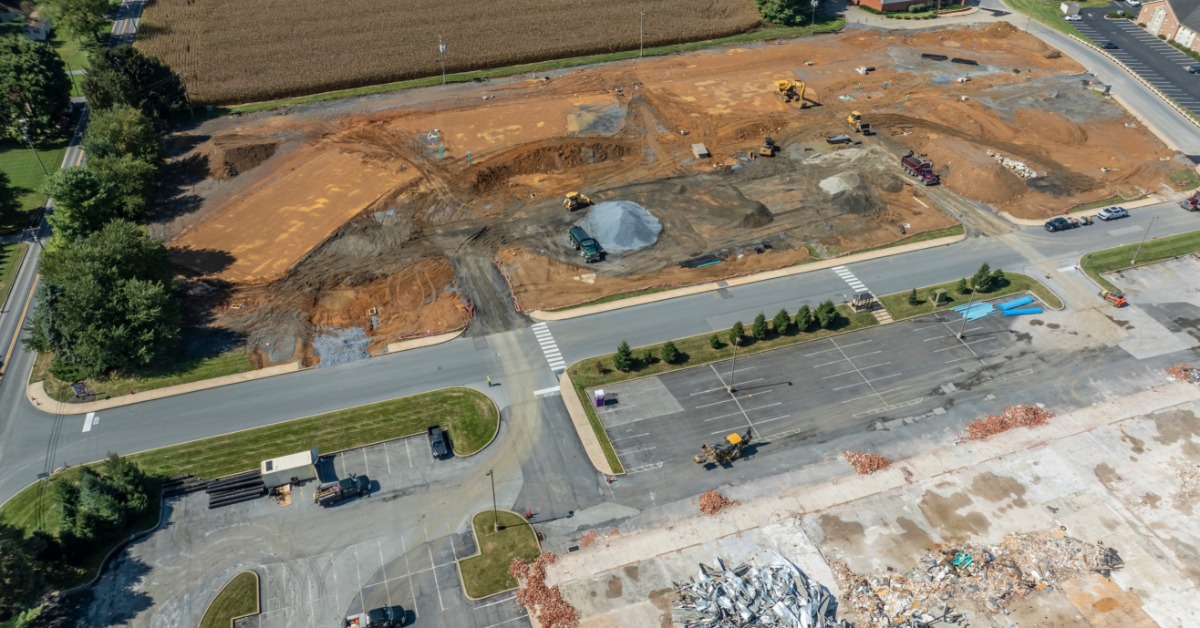
Industrial sites need safe, reliable access for trucks, employees, suppliers, and customers. Developers look at nearby transportation routes and road conditions to determine whether vehicles can reach and use the property efficiently.
For reliable transportation access:
- The site should provide convenient access to highways and major roads.
- Nearby roads must be able to handle regular truck traffic.
- Entrances should allow trucks to enter, exit, and turn safely.
- Weight limits or access restrictions should not interfere with deliveries.
Review Zoning and Approval Requirements
Local regulations determine what may be constructed and how the property can be used. When developers evaluate industrial land opportunities, they review zoning rules and approval procedures to understand how they may affect costs and timing.
Permitted Uses and Standards
Zoning rules explain which industrial activities are allowed on a property. They may also set limits for building height, setbacks, parking, landscaping, signage, and outdoor storage. Developers compare these requirements with the planned use before starting detailed design work. Even industrially zoned land may have restrictions that affect the tenant or building plan.
Entitlements and Local Approvals
Construction may require more than a standard permit. A project might need rezoning, a variance, a conditional-use approval, or a site plan review. Developers contact local officials to confirm what is required. This helps them plan for applications, hearings, and review time.
Development Restrictions and Timelines
Approval timelines can vary depending on the municipality and the complexity of the project. Public meetings, agency reviews, design revisions, and required studies can add time before permits are issued. Developers account for these steps when preparing schedules and estimating carrying costs. They also consider the risk that an approval may require changes to the proposed building or site plan.
Assess Utilities and Public Infrastructure
An industrial development needs sufficient infrastructure to support both the building and its future occupants. Developers confirm not only whether utilities are nearby but also whether each system has enough capacity for the proposed operation. Extending or upgrading services can significantly affect the project budget and schedule.
The infrastructure review may include:
- electrical service and available power capacity
- water supply and expected usage
- sanitary sewer access and capacity
- natural gas availability
- internet and telecommunications service
- stormwater management requirements
- road or intersection improvements
- fire protection and emergency access
Study Site Conditions and Layout

The total acreage listed for a parcel does not always represent the amount of land that can be developed. Wetlands, steep grades, drainage areas, easements, setbacks, and irregular property lines may reduce the usable portion.
The shape and topography of the site also influence construction efficiency. A level, rectangular parcel may support a straightforward layout, while a narrow or uneven site may require additional grading, retaining walls, or design changes. Experienced industrial real estate developers can then revise the site plan or rule out parcels that would require excessive improvements.
Calculate Costs and Financial Feasibility
The purchase price is only one part of an industrial land investment. Developers also estimate site work, utility extensions, permits, construction, financing, and other project expenses. They compare the total cost with expected income and the value of the completed property.
Estimating Development Expenses
Developers review costs for grading, drainage, roads, utilities, environmental work, and professional services. They may also set aside extra funds for issues that are not fully known during the first review.
Testing the Project’s Financial Fit
Expected lease rates, operating costs, market demand, and property value help show whether the project is financially practical. Even a well-located site may not work if required improvements make development too expensive.
Developers evaluate industrial land opportunities by reviewing market conditions, site features, regulations, and financial factors. No single feature determines whether a parcel is suitable, because each factor can affect the others. Developers can identify which challenges are manageable and estimate what it may take to resolve them. Work with Weston to evaluate potential sites and manage the industrial development process.