Industrial Development vs. Redevelopment Explained
July 9, 2026
Industrial real estate decisions can shape how a business operates every day. The right facility can improve truck flow, support production, create room for inventory, strengthen distribution, and give a company space to grow. When a business needs a new or improved facility, the conversation usually starts with two paths: industrial development or industrial redevelopment.
Both options can create a strong operational fit, but they work in different ways. Development starts with a new site or ground-up construction process. Redevelopment takes an existing property and updates, expands, or repositions it for a new use. Below, we explain the key differences between industrial development and redevelopment.
What Is Industrial Development?
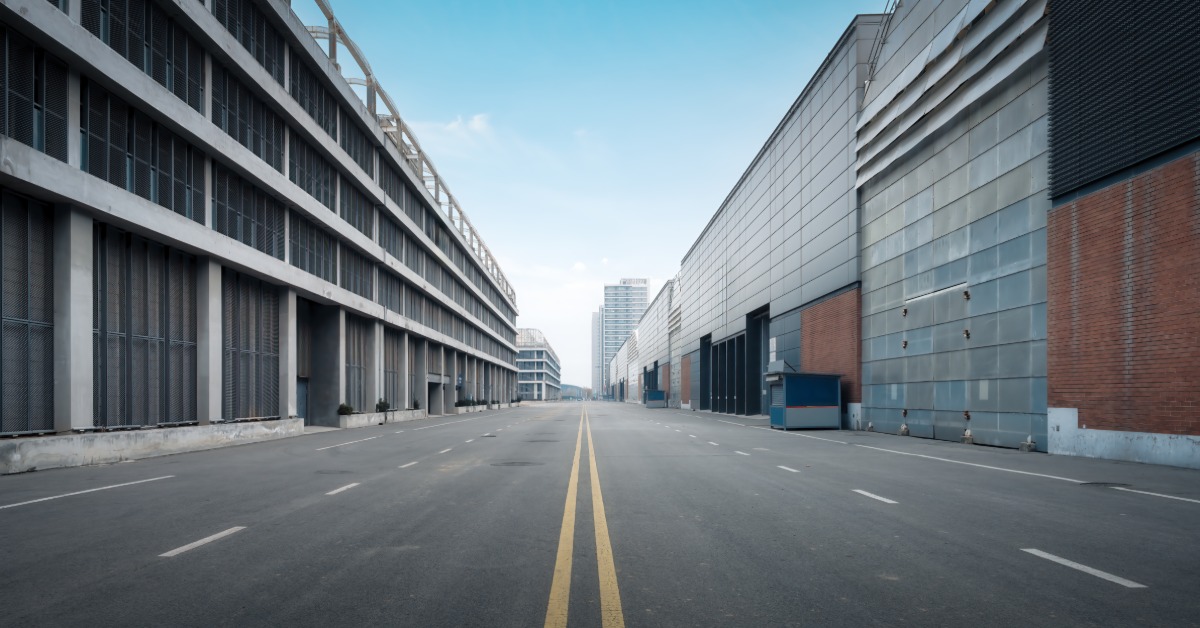
Industrial development refers to the process of planning, designing, and building a new industrial facility. In a ground-up development, the team starts with land, studies the site, secures approvals, designs the facility, manages construction, and delivers a building that supports the intended operation.
This path gives businesses the chance to shape a property around specific needs. A company may need a certain clear height, dock configuration, power capacity, trailer parking layout, office footprint, or expansion plan.
When Development Makes Sense
Development makes sense when an existing building cannot support the operation without major compromise. A manufacturer may need specific utilities, floor loads, or production areas. A logistics company may need a modern truck court, efficient site circulation, and direct access to major highways. A growing business may want a facility that supports current needs while leaving room for future expansion.
Development can also help companies enter a market where available industrial space does not match demand. In tight markets, businesses may struggle to find properties with the right size, layout, location, and infrastructure. A new development can solve that problem by creating a building designed around the way the business works.
What Is Industrial Redevelopment?
Industrial redevelopment focuses on an existing property. Instead of starting from scratch, the project team evaluates the current building or site and determines how to improve it. Redevelopment may include structural upgrades, new loading areas, roof replacement, environmental work, utility improvements, office renovations, parking changes, site circulation improvements, energy-efficient systems, or a complete repositioning of the asset.
Businesses work with commercial property development companies when they need guidance through these decisions, because redevelopment requires both creativity and practical building knowledge. The existing property already has a history, a structure, a location, and limitations. A strong redevelopment team understands how to unlock value while managing schedule, scope, budget, and long-term performance.
When Redevelopment Makes Sense
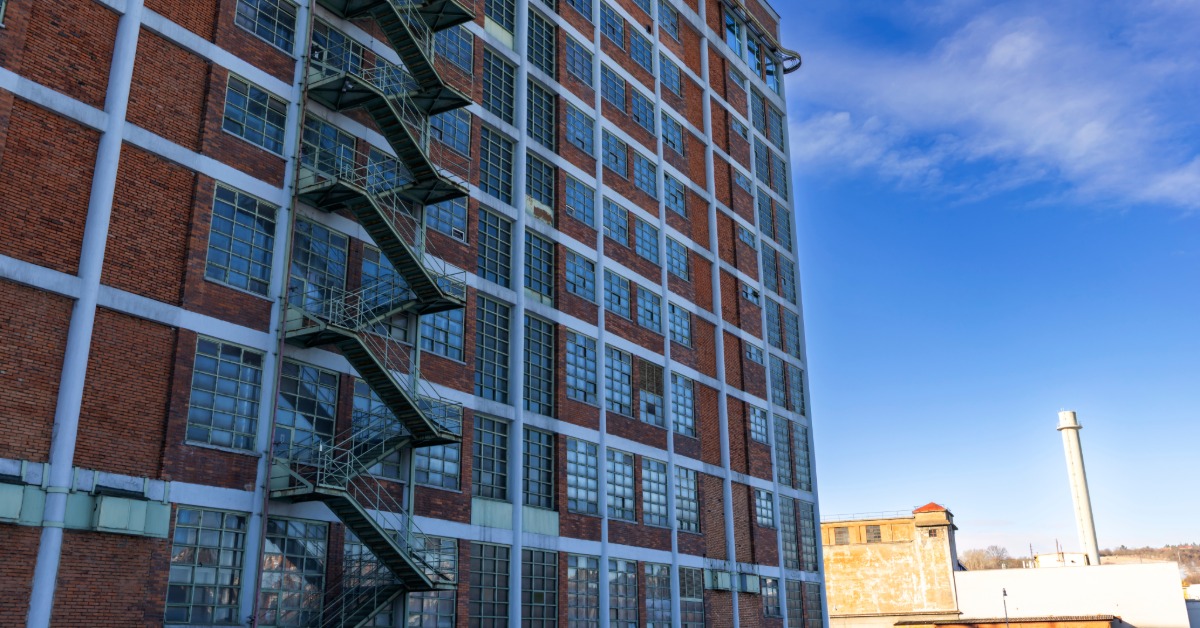
Redevelopment makes sense when the location has strong value, but the property needs updates to meet current business needs. Many older industrial buildings sit near major roads, workforce centers, suppliers, customers, and established infrastructure. These advantages can make redevelopment attractive, especially when the building has solid bones and the right team can modernize it.
Redevelopment can also help a company move faster than a ground-up project in certain situations. If the site already has zoning, utilities, access points, and a usable structure, the project team may be able to improve the property without starting every part of the process from the ground up.
Key Differences Between Development and Redevelopment
Now that we’ve explained the basics of industrial development and redevelopment, we can look closely at their key differences. The biggest difference between development and redevelopment is the starting point. Development begins with land and a new building plan. Redevelopment begins with an existing property and a plan to improve, adapt, or reposition it.
Development gives the team more freedom to design around the operation. Redevelopment gives the team a chance to preserve value in an existing location while updating the property for modern use. Neither path is automatically better. The right choice depends on the business, the site, the building, the market, and the long-term plan for the property.
Site Control and Location
Location plays a major role in both paths. For a new development, the team must evaluate land availability, access, infrastructure, zoning, environmental conditions, and proximity to labor, suppliers, and customers. A site may look promising at first, but due diligence can reveal challenges with utilities, wetlands, traffic access, or municipal requirements.
Redevelopment starts with a location that already exists in the market. That can create a major advantage when the property sits near established industrial corridors, highways, rail, ports, or dense labor pools. The
Building Design and Operational Fit
Industrial development gives businesses the chance to design a building around current operational needs. The project team can plan the building footprint, truck courts, dock doors, ceiling heights, employee parking, office areas, storage areas, and future expansion zones with a clean slate. This approach can reduce compromises and improve daily workflow.
Redevelopment requires a different kind of problem-solving. The existing building may have column spacing, ceiling heights, loading configurations, or utility systems that limit certain uses. A strong redevelopment team studies those conditions carefully, then identifies the improvements that will create the best operational fit without wasting time or capital.
Cost, Schedule, and Risk Considerations
Cost can vary widely for both development and redevelopment. Ground-up development may require land acquisition, site work, utilities, design, permits, materials, labor, and construction management. Redevelopment may avoid some of those costs, but it can introduce expenses for demolition, environmental remediation, building repairs, code updates, and unknown existing conditions.
Schedule also depends on project details. A new development may require more time for approvals, site preparation, and full construction. Redevelopment may move faster when the property is in good condition, and the scope is clear.
Sustainability and Long-Term Building Performance
Sustainability matters in industrial projects because building systems affect both environmental impact and operating costs. Development gives teams the chance to incorporate efficient lighting, insulation, HVAC systems, stormwater management, landscaping, and site design from the start. These choices can improve performance while supporting responsible development.
Redevelopment can also support sustainability by giving older properties new life. Reusing and improving existing industrial assets can reduce waste, preserve useful infrastructure, and strengthen established business districts.
Choosing the Right Path for Your Project
Choosing between development and redevelopment starts with the business need. A company should evaluate what the operation requires, where to locate the facility, how much flexibility they need, what schedule the business can support, and how the property should serve future growth.
The right real estate partner can make this process much clearer. Industrial projects involve many moving parts, from site selection and due diligence to design coordination, contractor oversight, budgeting, scheduling, and final delivery. When the team manages those details with experience and clear communication, businesses can make informed decisions and move forward with greater confidence.
Build New, Improve Existing, or Find the Right Fit
Both development options help businesses create space that supports real operational needs. Development offers more control over a new facility, while redevelopment can unlock the value of an existing property in a strong location. The best path depends on the building, the site, the market, the timeline, and the way the business needs to operate.
Weston brings decades of development, project management, and long-term ownership experience to industrial and commercial projects. If your business is evaluating a new facility, improving an existing property, or planning a build-to-suit project, contact Weston today to start the conversation and learn how the right development approach can support your next move.